Electric Underground Mining Vehicles Are They the Future
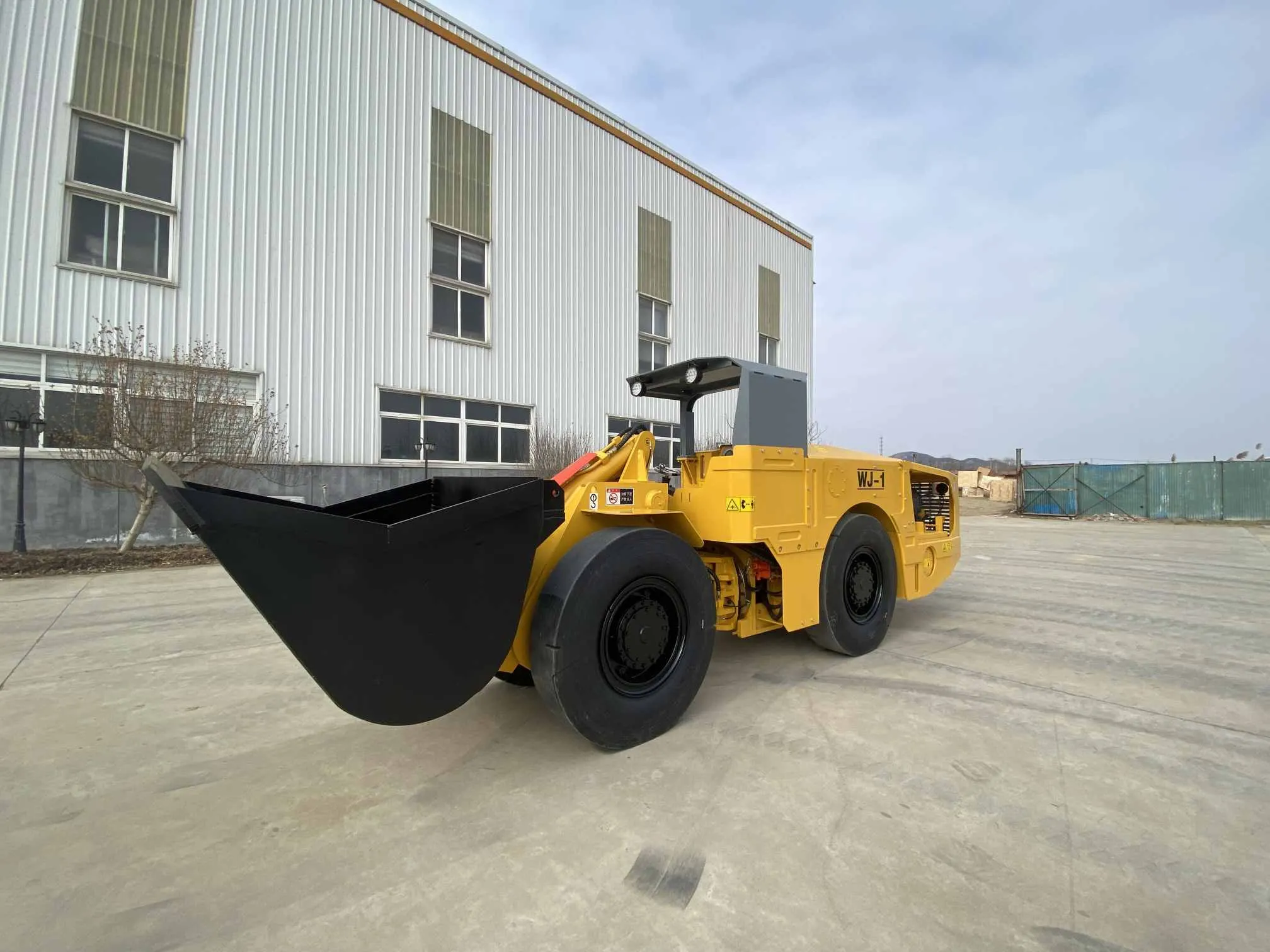
Electric vehicles are quickly changing the underground mining field. They provide a strong fix for old problems in safety, cost savings, and harm to the environment. For mines dealing with bad air, high diesel costs, and strict rules on emissions, these electric machines in underground work are not just an idea for the future. They are now a real choice.
Advantages of Electric Underground Mining Vehicles
Emission Reduction and Environmental Impact
Electric mining vehicles get rid of tailpipe emissions completely. This matters a lot in closed spaces like underground mines. There, air quality affects worker health and the needs of ventilation setups. By cutting out diesel smoke, electric utility vehicles make work areas better. They also shrink the mine’s mark on the environment.
Besides, the lower greenhouse gas output helps mining firms meet their big goals for sustainability. As many countries aim for zero net emissions, fleets run on electricity aid operators in following new rules. One more good point: electric vehicles make less heat. They need much less air flow for ventilation. So, operators can use less energy. And they can cut the size and expense of ventilation systems.
Operational Cost Efficiency
Moving from diesel to electric can bring true money savings. Electricity often stays steady in price. It is cheaper than diesel in the long run. This holds true in places with reliable power or green energy sources.
Electric drivetrains have fewer parts that move. That means less damage over time. It leads to lower repair costs, fewer stops, and more time in use. This is key in busy operations. Even nicer, electric vehicles give steady energy costs. That helps with planning budgets ahead.
For instance, when you look at total fuel and upkeep costs over a vehicle’s life, electric LHDs usually win out. This happens even with their higher buy price.
Safety Improvements for Workers
Safety is a big reason to switch. Electric vehicles run with much less noise than diesel ones. That boosts talk on the job and cuts risks of hearing loss over time. Getting rid of diesel fumes means fewer breathing problems for workers. This is a main worry in deep or low-air spots.
And because electric motors create much less heat than burning engines, they help keep the underground area cooler. That leads to more comfy and safer spots to work.
Performance Enhancements in Mining Operations
Electric drivetrains give great gains in hard ground. Quick torque lets vehicles react fast to controls. It gives drivers better handling during load-haul-dump tasks. Regenerative braking not only saves energy. It also offers smoother control on downhill paths. That’s an extra safety plus.
What’s more, electric LHDs and utility trucks show top-notch handling. In narrow mine paths where space is tight, the skill to make exact moves without rough shifts changes things a lot.
Technical and Logistical Challenges
Capital Investment Requirements
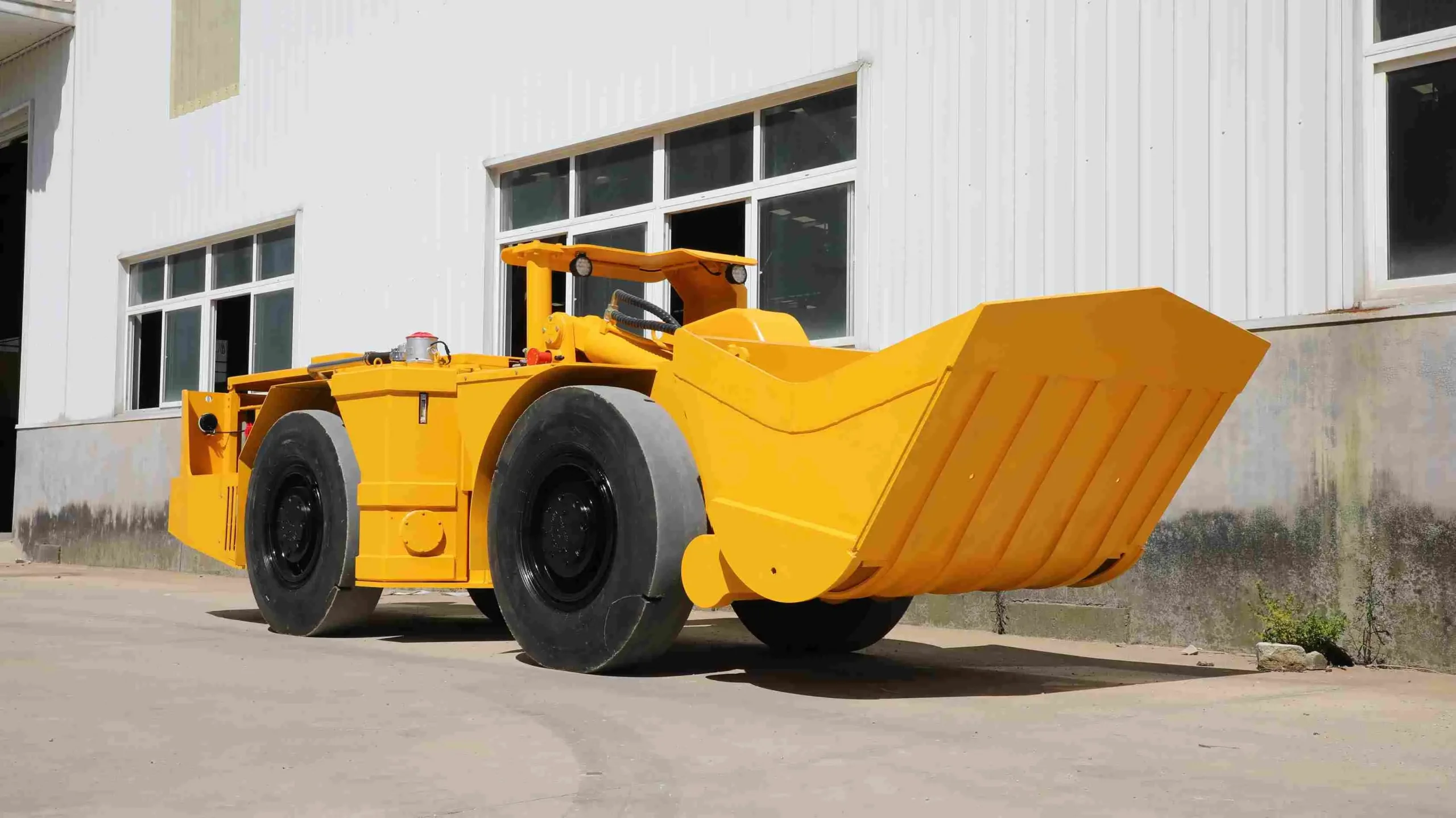
Even with their upsides, electric underground vehicles need big money up front. The cost of an electric utility vehicle or electric LHD is still higher than diesel versions. For small operators or those with tight funds, this price can block the way. Yet, the return over time can be good.
Charging Infrastructure Development
Putting in electric fleets means setting up spots to charge. Most mines lack this now. Without good plans, waits for charging can mess up work and cause pricey halts.
Battery Technology Limitations
Batteries wear down over time. That causes less power hold and costs to replace later. For hard jobs like mining, picking the right battery type and using strong care systems is vital.
Workforce Training and Operational Transition
Handling change in the group is important here. Mines making the switch to electric fleets have to make sure all—from bosses to fixers—get the new ways and safety needs.
Market Trends and Industry Adoption Outlook
Global Mining Industry Shifts Toward Electrification
All over the world, mining firms are saying they want no carbon output. And going electric is at the heart of these aims. A few big operators have already said they plan to change their whole fleets to electric in the years ahead.
Government rules are pushing the field too. This comes through taxes on carbon, help for green gear buys, and tougher limits on emissions for work sites.
Technological Innovations Driving Feasibility
One of the coolest changes is in battery tech. Fresh types boost energy hold and charge speed. They also stretch how many times you can use them. This makes electric vehicle batteries better for mining jobs.
Smart mining setups add to this by linking electric vehicles into auto systems. Live checks, alerts for fixes ahead, and far-off checks help cut stops and make fleet use better.
Competitive Landscape Among Equipment Manufacturers
OEMs are growing their lists to cover from small electric utility vehicles to big LHDs. Companies like Dali—a professional manufacturer of underground mining trucks, electric LHD loaders, and multipurpose vehicles—are at the front of this move. They give custom fits for underground work.
Team-ups between battery makers, software creators, and gear builders are pushing new ideas fast like never before.
Strategic Considerations for Mine Operators
Evaluating Operational Suitability for Electrification
Not every mine fits full electric use. Things like how deep it is, haul lengths, temps, and power setups on hand all affect if EV setup works.
Checks for fit should look at work loops and load needs to pair the right vehicle with the job.
Lifecycle Cost Analysis Versus Diesel Equipment
Seeing past start costs is crucial. A full life cost check looks at all owning expenses. This includes energy use, upkeep, savings on air flow, and leftover worth. It often backs electric LHDs in heavy-use cases.
For mines with lots of gear use or growing air costs, going electric can bring big money wins over five to ten years.
Planning Scalable Electrification Roadmaps
Beginning small is usually the wise step. Trying electric vehicles in easy tasks—like light hauling or utility moves—lets operators gain know-how without messing up main work.
As trust builds, fleets can grow step by step with setup upgrades. Companies like Dali back these step plans by offering buildable product sets fit for growing use.
FAQs
Q: What is an electric LHD?
An electric LHD (Load-Haul-Dump) is a battery-powered underground loader used for transporting mined material in narrow tunnel environments.
Q: Are electric vehicles really safer for underground mining?
Yes—they reduce diesel emissions, heat generation, and noise levels, creating a healthier work environment.
Q: How long do electric vehicle batteries last in mining operations?
Battery lifespan varies based on usage cycles and environmental conditions but typically ranges between 3–5 years with proper management.
Q: Is it expensive to switch from diesel to electric mining equipment?
The initial investment is higher but often offset by lower fuel and maintenance costs over time.
Q: Can small mines adopt electric utility vehicles?
Yes—but they should assess infrastructure readiness first and consider phased rollouts starting with low-demand applications.
About Us
Qixia Dali Mining Machinery Co., Ltd was established in 1998, located in Yantai City.
The company is mainly engaged in the design, development, production, installation and training of underground mine equipment and ore processing equipment, spare parts supply and sales.
More

Contact Us
- Xinbang Rd, Private Economy Park, Qixia, Shandong Province, China
- +86 173 5350 8179
- ytdali@ytdali.com
 +86 13553073459
+86 13553073459
+86 13553073459


