Navigating Challenges Maneuverability Features in Mining Utility Vehicles
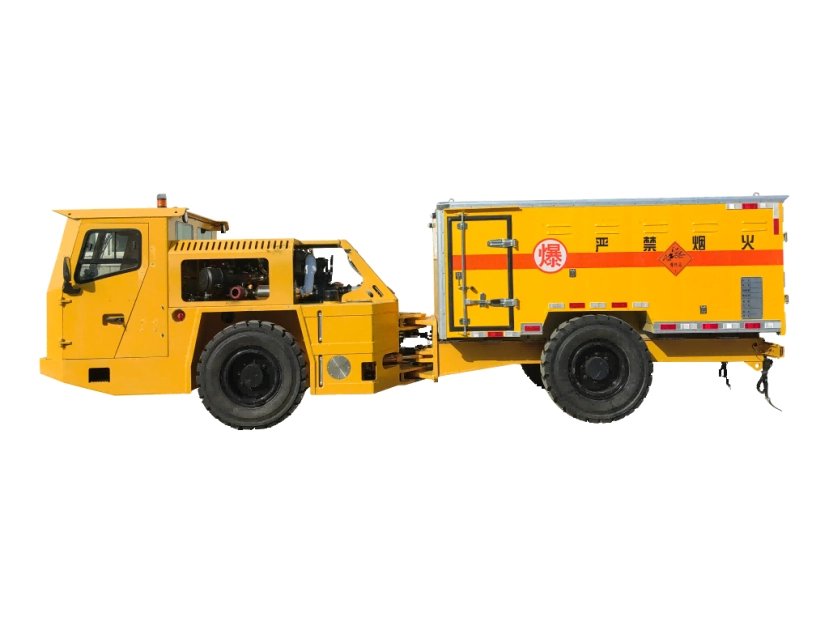
Navigating underground mining environments isn’t just about strong force or pure engine strength. It’s an ongoing challenge of handling space, adjusting to ground, and teaming up people with machines. With slim tunnels, shaky soil, and poor sight, easy movement turns into the main thing that decides how well and safely underground mining vehicles work.
Maneuverability Challenges in Mining Environments
Operating in Confined and Narrow Spaces
Underground mines are well known for their tight setups. Lots of mining work happens in tunnels with little extra room, which often leaves small space for mistakes. The tough part is building underground mining trucks and utility vehicles that can do all needed jobs inside a limited shape.
Vehicles need to be small without losing load space or easy access to parts. A truck that can’t turn a corner or back up smoothly turns into a problem down there. Limits on length and width call for smart frame design and careful part placement.
Navigating Uneven Terrain and Variable Ground Conditions
Below ground, the land is seldom flat. Loose rocks, damp dirt, and steep slopes create steady risks to vehicle steadiness and grip. These changing situations need underground mining equipment to have quick suspension setups and good clearance from the ground.
Drivers depend a lot on grip control tools to stop wheel sliding and keep control during climbs or turns on wobbly soil. Without those systems, even the strongest motor can’t stop a vehicle from slipping into issues.
Precision Driving and Operator Safety Requirements
Tight areas and big machines mean errors can cost a lot. Drivers have to guide mining vehicles very close to walls, tools, or other workers—and often with bad views. That needs more than solid driving know how. It calls for well made control setups that work exactly right.
Fluid response in hydraulics, sensitive steering, and dependable stopping all play key roles. Safety tools like nearness warnings and crash avoidance helpers are no longer extras—they’re must haves for guarding folks and structures.
Design Features Enhancing Maneuverability
Compact Dimensions and Optimized Wheelbase
A tinier size is more than a choice—it’s a must below ground. Vehicles with shorter length and width can slip through slimmer entry spots and run nearer to walls without trouble.
Smart wheelbase setups give better turning circles, so trucks can handle bends or looped ways with fewer back and forth moves. This cuts down time on fixing position and drops fuel use over time.
Steering Technologies for Improved Handling
Better steering setups greatly boost control in deep earth settings.
- Fourwheel steering lets tighter turns, especially handy in spots with lots of stops like loading areas.
- Hydrostatic steering systems give smoother shifts between direction switches, and that’s key when working in slim halls where tiny moves count.
Both these steering tools cut down body strain on drivers while boosting vehicle quickness—a pair of wins.
Visibility Enhancements for Safer Operation
Driver sight often gets hurt below ground because of dust, weak lights, and blocked views from structures. To fight this, vehicle cabs get raised when they can, and window spots get set up to offer drivers the top possible look at what’s around.
Adding to these steps are strong lighting setups fixed around the vehicle body. Wide lights, spot beams, and LED guide lights help drivers spot where they’re going even when no natural light shows up.
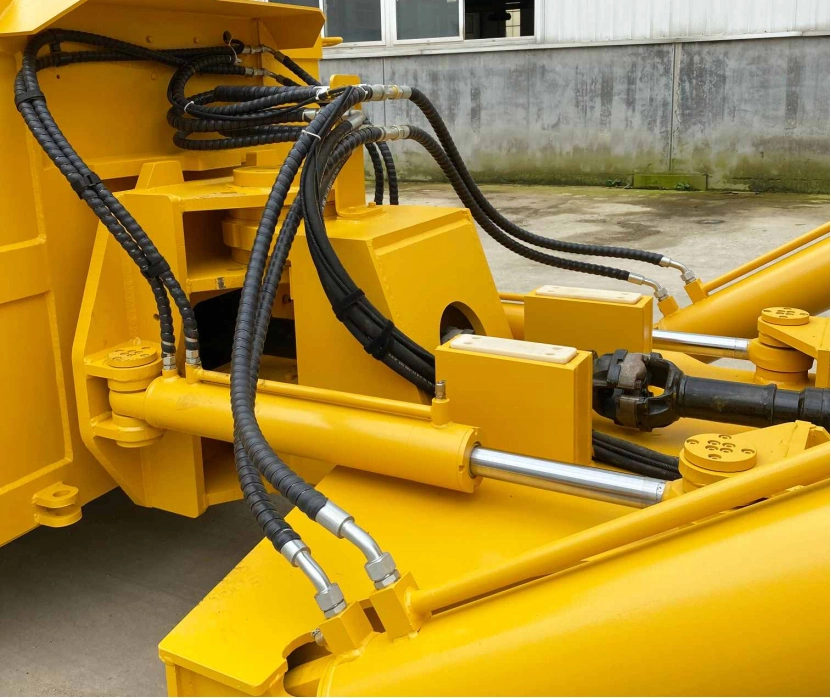
Comparing Frame Structures: Rigid vs. Articulated Vehicles
Stability Characteristics of Rigid Frame Designs
Rigid frame vehicles often get picked for their steadiness during straight runs and heavy load moves. Their fixed build means they keep a steady balance point, which lowers tipping risks on level spots.
They’re also easier to fix, with fewer parts that move compared to jointed types. This can help in far off mining spots where fix up access is short.
Maneuvering Benefits and Drawbacks of Articulated Frames
Articulated frames do great when it comes to turning skills. The hinge spot between front and back parts lets sharper turns—a big plus in slim tunnels.
But this same trait brings possible steadiness issues on bumpy surfaces if not handled right. Extra training for drivers and smart control setups are often needed to get the full upsides without risking safety.
Technological Advancements in Maneuverability Systems
Role of Onboard Electronic Control Units (ECUs)
Current mining gear more and more counts on ECUs to manage things like steering, stopping, and suspension right away. These units handle data from sensors all the time to make fast tweaks that improve motion over different land types.
Whether it’s cutting power to a spinning wheel or changing brake force during a drop, ECUs allow smarter driving reactions that beat human speed.
Integration of Advanced Camera and Sensor Systems
Tools for knowing space have improved a bunch. Full circle camera setups now give total view coverage around a mining truck, which wipes out hidden spots that once caused pricey mishaps.
Nearness sensors help more by warning drivers about close barriers or people, which strengthens safe moving rules even in tough work spots.
Autonomous Navigation Support Features
Self driving isn’t just for above ground vehicles now. Underground mining vehicles have half self driving aids that help with guiding through planned paths. These setups cut driver tiredness and boost steady vehicle work.
Auto path planning also makes routes better inside the mine setup, which shortens trip time while skipping jammed or risky areas.
Dali: A Quiet Force in Underground Mobility
As one of the focused makers of underground mining vehicles, Dali works on building trucks, LHD loaders, and multi use platforms made just for tight mining spots. Their machines blend many of the easy movement boosting traits talked about here—from small sizes to better control setups—making them real flexible for today’s below ground work.
Dali’s way stresses dependability in hard times, easy to get driver controls, and build flex to fit different mine setups around the world. They’re not big talkers about their wins—but their vehicles say a lot down below.
FAQs
Q: What makes underground mining vehicles different from surface mining trucks?
They’re specifically designed for compactness, low emissions, and maneuverability in tight spaces with limited ventilation.
Q: Why is articulation useful in underground mining trucks?
It allows sharper turning in narrow tunnels but must be carefully controlled to avoid instability on rough ground.
Q: How do ECUs help improve vehicle handling?
They coordinate multiple vehicle systems in real time to adapt to changing conditions like terrain or load shifts.
Q: What are common visibility features in underground mining equipment?
Elevated cabins, wide angle mirrors, high lumen LED lighting, and full camera coverage are standard tools.
Q: Is Dali only focused on mining trucks?
No, Dali also manufactures LHD loaders and multi purpose utility vehicles tailored for underground operations.
About Us
Qixia Dali Mining Machinery Co., Ltd was established in 1998, located in Yantai City.
The company is mainly engaged in the design, development, production, installation and training of underground mine equipment and ore processing equipment, spare parts supply and sales.
More
Contact Us
- Xinbang Rd, Private Economy Park, Qixia, Shandong Province, China
- +86 173 5350 8179
- ytdali@ytdali.com
 +86 13553073459
+86 13553073459
+86 13553073459


