Safety Features to Look for in Underground LHDs
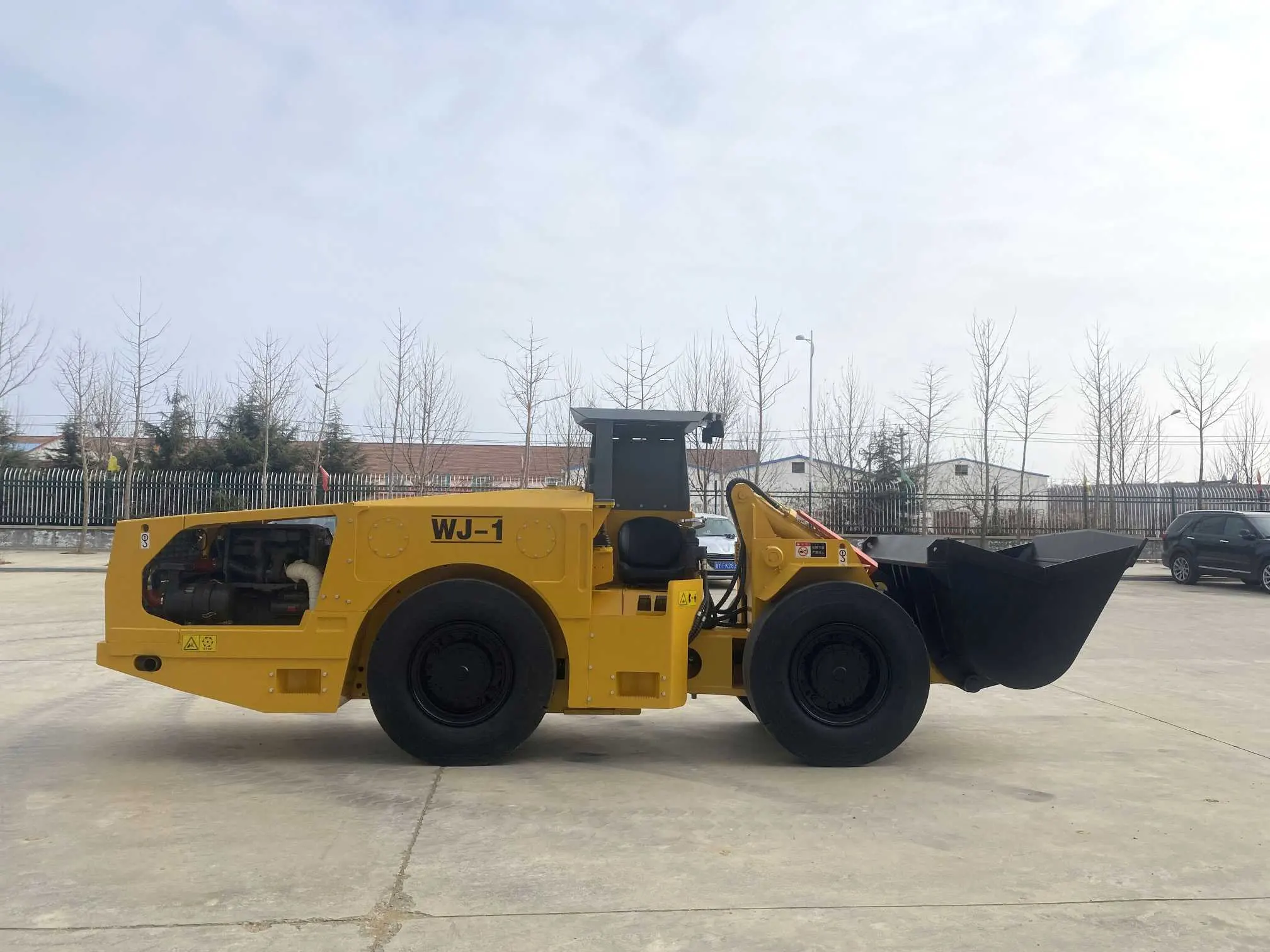
Underground mining work creates big safety problems because of tight spaces, poor light, and shaky ground. That’s why picking the right underground LHDs (Load Haul Dump machines) with built in safety tools is not just a good choice—it’s vital for keeping workers and gear safe. From protection against tipping to smart stopping, new safety tools really affect work safety and output in tough underground spots.
Essential Safety Systems in Underground LHDs
Visibility and Lighting Enhancements
Underground areas lack much light. That’s why strong LED lights are now a common part on better LHDs. These lights brighten work areas well, and they cut the chance of crashes or overlooked dangers.
Rear view cameras and close range sensors add extra sight where mirrors don’t help. These tools let operators watch movement near the vehicle. This is key in narrow paths where people walk and other machines are close.
Emergency Response Systems
If there’s one thing you don’t want slow underground, it’s your emergency help. Fire stopping systems now come built into many LHD types. They use dry powder or foam to put out fires before they grow.
Emergency stop buttons—easy to reach from inside and outside the cabin—let you shut down the machine right away in case of breakdown or worker trouble. Loud alarms and flashing lights act as fast warnings for both the driver and nearby people when trouble hits.
These systems not only save lives but also cut downtime. So, they allow quicker fixes and fewer long term problems from events.
Operator Cabin Safety and Ergonomics
Doing 10 hour shifts in hot, dusty tunnels is hard. A good operator cabin helps handle that better.
Closed cabins with seals against dust protect workers from silica and flying bits. Sound blocking and windows that resist junk guard against ongoing ear harm and quick harm from dropping rocks.
Besides that, seats you can adjust with back support ease body strain during long work. Systems to control air make a big change in deep mines where heat rises fast from earth warmth.
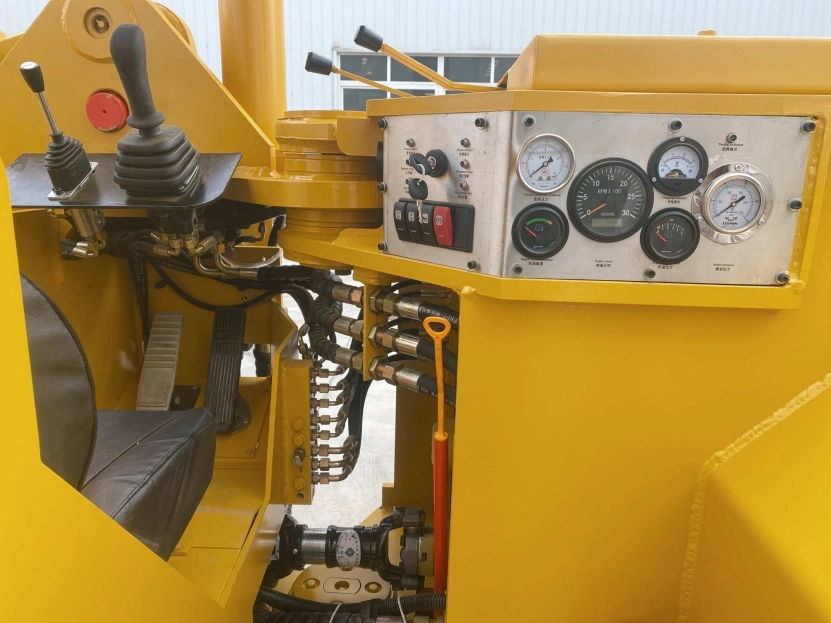
Automatic Stabilization and Braking Systems
Underground LHDs often go over steep drops and bumpy surfaces. Automatic braking systems kick in when the machine sits still on a slope. They stop rollbacks or unwanted moves.
Traction control systems change wheel power based on ground info to keep the vehicle steady, even in wet or loose spots. Some types use hydraulics that sense loads. They spot how much stuff is in the bucket and fix balance as needed—key for avoiding tips when dumping or carrying heavy stuff.
These smart systems do more than guard—they let operators go quicker with more trust, knowing the machine supports them.
Roll Over Protection Structures (ROPS)
In mining, machine balance can shift fast due to rough ground or sudden loads. Roll Over Protection Structures (ROPS) are made to lessen the risks of these quick changes. These strong structures are built to stop the cab from crushing in a tip over. They shield the operator from bad injuries that could kill. They are often part of the cab setup and checked against global safety rules like ISO 3471. This ensures they hold up even under heavy pressure.
How Safety Features Improve Operational Efficiency and Protection
Minimizing Operator Risk During Daily Operations
Operators underground always face falling junk, small spaces, and gear risks. Automatic safety actions—like fire stopping and emergency halts—limit their danger without needing hand steps.
Knowing their LHD has live checking systems gives operators calm minds. It helps them pay attention to tasks rather than fret about possible faults.
A company like Dali doesn’t just make underground LHDs—they build them with worker survival at the heart of each part. Their cabins are sealed, comfy, and set for low stress work even in tough times.
Preventing Equipment Damage Through Intelligent Design
Sudden ground changes or too much load can wear machines out early. Advanced steady systems ease this by keeping loads even with active changes.
Sensors that spot overheating, leaks in hydraulics, or odd shakes warn operators before issues get big. That means more running time and less cash on fixes you could avoid.
A well kept LHD doesn’t just last longer—it works more steady, making your mine’s flow more reliable.
Supporting Compliance with Mining Safety Regulations
Mining rules are getting stricter around the world. Built in safety tools like ROPS, fire suppression, and operator shields aren’t just nice thoughts—they’re often needed by law.
With built in logs and sensor info, many new machines help with digital records. This makes checks easier and aids mining firms in showing they follow rules during reviews.
For makers like Dali who work worldwide, matching their gear to global safety rules is part of giving value—not just selling a machine.
Conclusion
Underground mining needs machines that don’t just work—they guard. From stopping tips to smart braking systems, every safety tool in today’s LHDs adds right to safer spots and easier runs. The more we add clever safety tools into these machines, the more we help operators do their jobs with trust while saving both lives and things.
Dali, as a trusted supplier of underground LHDs and specialized mining vehicles, integrates these essential safety systems as part of their core design philosophy—balancing performance with protection in every unit they deliver.
FAQ
Q1: Why is LED lighting important on LHDs?
LED lighting provides better visibility in dark tunnels, reducing accident risks due to poor lighting.
Q2: How do emergency stop systems work?
Emergency stop buttons cut power to the engine immediately, stopping all functions to prevent accidents during emergencies.
Q3: What does ROPS mean in underground LHDs?
ROPS stands for Roll Over Protection Structure, which protects the operator if the machine tips over during operation.
Q4: What role does cabin ergonomics play?
A well designed cabin reduces fatigue and exposure to environmental hazards, improving operator comfort and focus.
Q5: Are automatic brakes necessary for all underground LHDs?
Yes. They prevent rollbacks on slopes and help maintain control on uneven terrain—a critical safety feature in mining.
About Us
Qixia Dali Mining Machinery Co., Ltd was established in 1998, located in Yantai City.
The company is mainly engaged in the design, development, production, installation and training of underground mine equipment and ore processing equipment, spare parts supply and sales.
More
Contact Us
- Xinbang Rd, Private Economy Park, Qixia, Shandong Province, China
- +86 173 5350 8179
- ytdali@ytdali.com
 +86 13553073459
+86 13553073459
+86 13553073459


