Underground Loaders in Mining: Types, Benefits and Technology
The mining industry is seeing a subtle shift deep below the surface. Today’s loaders are more than simple tools for shifting rock. They form the core of effective, secure, and eco-friendly underground mining. From scoop loaders to cutting-edge LHD (Load, Haul, Dump) setups and haul trucks, these devices change the way ore gets pulled out and moved in tight areas. Picking the proper kind of underground loader can greatly impact output, security, and green performance.
Types of Underground Loaders
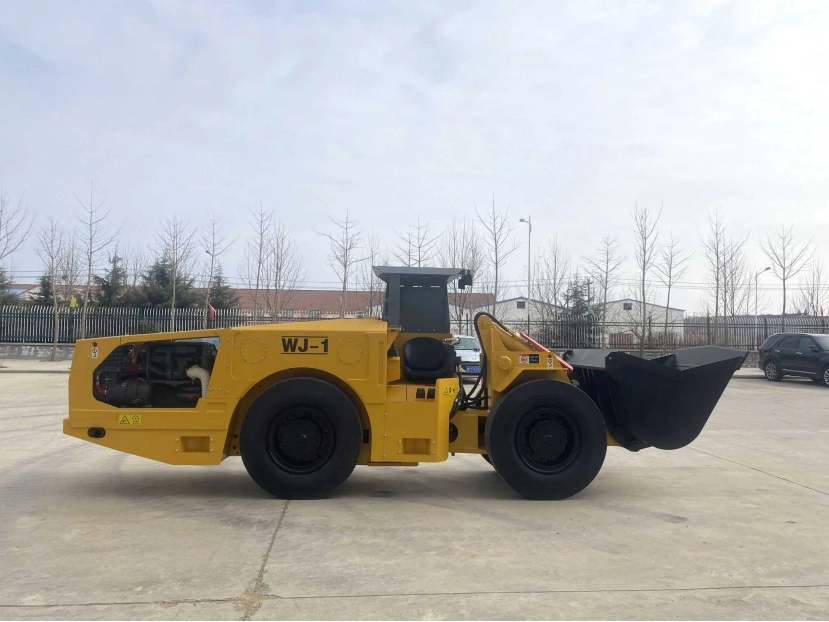
Scoop Loaders
Scoop loaders are small but strong devices built to handle jobs well in slim passages. Their flat shape lets them turn smoothly in cramped spots where usual gear would have trouble. These loaders often come with jointed steering and tough tires. That setup boosts steadiness on rough surfaces.
Workers use them for cleanup tasks. They clear broken rock from stopes or drifts. They also handle basic material jobs like filling or moving supplies. Due to their flexibility, scoop loaders stay key in modest to fair-sized underground mining operations.
LHD (Load, Haul, Dump) Loaders
LHD loaders mark the next step in underground load haul dump tech. These devices mix three jobs. They load stuff, carry it over brief stretches, and drop it into ore passes or trucks. Their sturdy hydraulic setups and strong pull forces suit nonstop work in tough spots.
A big plus for LHDs is their skill at running well in tight areas with poor air flow. Their motors are tuned for low smoke and strong pull at slow paces. Many new LHDs include remote handling or even self-run modes. That cuts worker time in risky spots.
Manufacturers like Dali, known for making solid underground load haul dump gear, have worked on better drive systems and added clever check tools to their LHD builds. This effort aids workers in keeping steady results even in harsh settings.
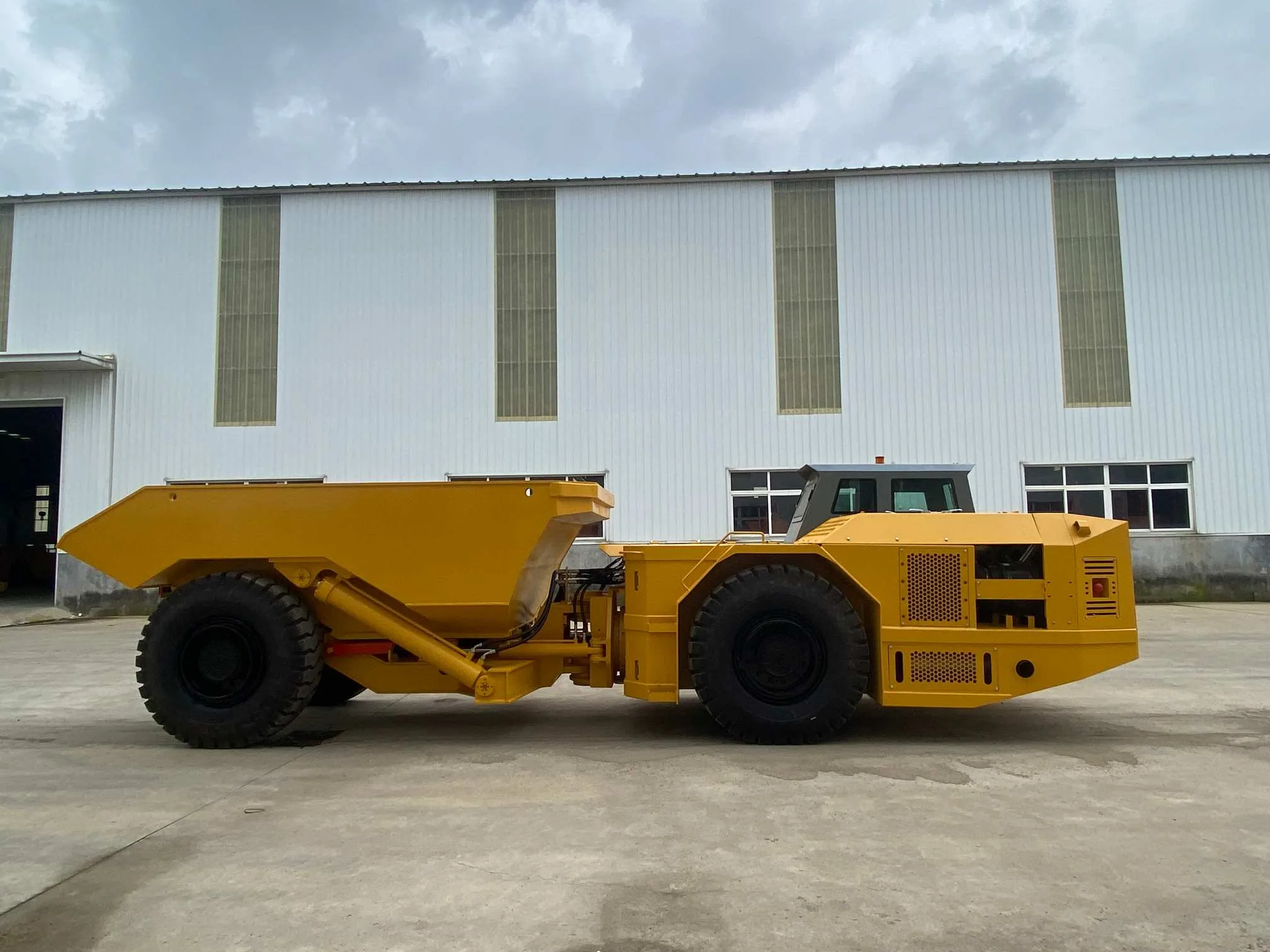
Underground Haul Trucks
Underground haul trucks are made just for carrying big loads of ore over farther paths inside a mine. They stand out with large carry limits, tough frames, and mighty drive units that manage sharp slopes common in mine roads.
These trucks work alongside scoop loaders and LHDs. They take on the carry part after stuff gets loaded. The mix creates smooth flow. Scoop or LHD units stick to loading. Haul trucks deal with moving loads to ground-level crushers or ore passes.
Comparison of Different Types of Underground Loaders
Each kind of loader offers its own perks based on the mine setup and output aims:
| Loader Type | Key Feature | Best Use Case |
| Scoop Loader | Compact design | Narrow tunnels & short hauls |
| LHD Loader | Multi-function | Medium to large mines |
| Haul Truck | High payload capacity | Long-distance ore transport |
Buyers need to think about things like passage width, air flow limits, ore shape, and output goals when choosing gear. For instance, a machine-run mine with long carry paths may gain more from teaming LHDs with special haul trucks. It beats using only scoop loaders.
Advantages of Using Underground Loaders
Increased Efficiency and Productivity
Underground loaders lift work speed a lot. They cut wait times between drill and carry steps. Auto load steps trim idle moments. They also ensure full bucket loads. The outcome is more weight shifted per work period. That’s a vital measure in any mining job.
New setups let bosses watch cycle speeds and fuel use right away. So, they can adjust work stats across groups of machines.
Improved Safety and Working Conditions
Safety now drives loader builds. Things like ROPS/FOPS-approved cabins, close-range alert sensors, fire block systems, and auto stops have cut crash numbers sharply. Remote or self-run units pull staff from danger zones hit by dust or shaky ground.
Auto features also better work setups by dropping heat risks underground. It’s a steady issue in deep mines. Temps climb fast with depth there.
Reduced Manual Labor and Increased Automation
Auto tech changes things big time. It cuts hand work while keeping accuracy in repeat jobs like loading or dropping. Now, workers can guide several devices from ground control spots. They use cameras and data links for that.
This change does not wipe out roles. It shifts them. Tech folks spend more time on watch than hands-on tasks. It cuts tired mistakes too. Plus, it lowers costs with better fuel use and fix schedules.
Technological Innovations in Underground Loaders
Advancements in Loader Design and Engineering
Fresh changes bring tougher but lighter frame parts. They last longer without losing strength. Electric drive units grow more usual. They give off less warmth and need less air flow. Those are two key wins underground.
Manufacturers such as Dali have put lots into flexible builds. They ease fix access. And they hold up against rough rock wear.
Integration of Smart Technologies
Clever tech like IoT sensors grabs live info on motor state, fluid force, tire damage, and worker habits. This info backs ahead-of-time fix plans. They stop big breaks before they hit.
Smart code reviews load habits to pick best paths on its own. That saves time and power over work periods. Such links point to full-tied “digital mines.” There, all gear talks smoothly in the linked setup.
Environmental Considerations in Using Underground Loaders
Reducing Environmental Footprint
Mining firms get more push to trim gas output from diesel machines. One good way is to switch to electric or mixed models. They skip smoke fully and quiet noise underground.
Air flow costs fall a good deal when fewer diesel motors run at once. It’s an easy-to-miss money gain next to green ups.
Sustainable Practices in Mining Operations
Green ways go beyond clean gear. They cover long-run resource care too. Underground loaders aid green steps by allowing exact ore pulls with little waste. Smart loading cuts power per ton dug. Tiny gains build up over years of work. Nearby groups gain in side ways. Less smoke means cleaner air in the mine and on top.
To optimize your mining operations with advanced underground loaders, trust Dali for high-performance LHDs, haul trucks, and scoop loaders. Contact us today for a quote and learn how our cutting-edge equipment can boost your efficiency, safety, and sustainability.
FAQs
Q: What does an underground load haul dump (LHD) do?
An LHD loads blasted rock or ore, hauls it short distances underground, then dumps it into bins or trucks for transport.
Q: How do electric underground loaders differ from diesel ones?
Electric models produce zero exhaust emissions and less heat, making them ideal for deep mines with limited ventilation capacity.
Q: Why is automation important in modern mining?
Automation increases safety by keeping operators away from hazards while improving consistency and reducing downtime between cycles.
Q: What factors determine which type of loader a mine should use?
Tunnel dimensions, production targets, ore characteristics, ventilation limits, and haul distance all influence equipment selection.
About Us
Qixia Dali Mining Machinery Co., Ltd was established in 1998, located in Yantai City.
The company is mainly engaged in the design, development, production, installation and training of underground mine equipment and ore processing equipment, spare parts supply and sales.
More

Contact Us
- Xinbang Rd, Private Economy Park, Qixia, Shandong Province, China
- +86 173 5350 8179
- ytdali@ytdali.com
 +86 13553073459
+86 13553073459
+86 13553073459


