How Electric LHDs Are Powering Safer Underground Mines
The Shift Toward Safer, Cleaner Mining
Mining has come a long way. Gone are the days when underground operations relied solely on diesel-powered machines belching out fumes. Today, the global mining industry is embracing electrification to cut emissions and noise.
Underground mines have always faced tough safety challenges. Think toxic exhaust, fire risks, and excess heat. These issues don’t just slow down work; they put lives at stake. That’s where Electric LHDs step in as a game-changer.
This article dives into how Electric LHDs boost safety. We’ll also touch on how they team up with power systems like underground mining substations and other underground mining safety equipment.
Electric LHDs: Technology Behind the Power
What Makes an Electric LHD Tick?
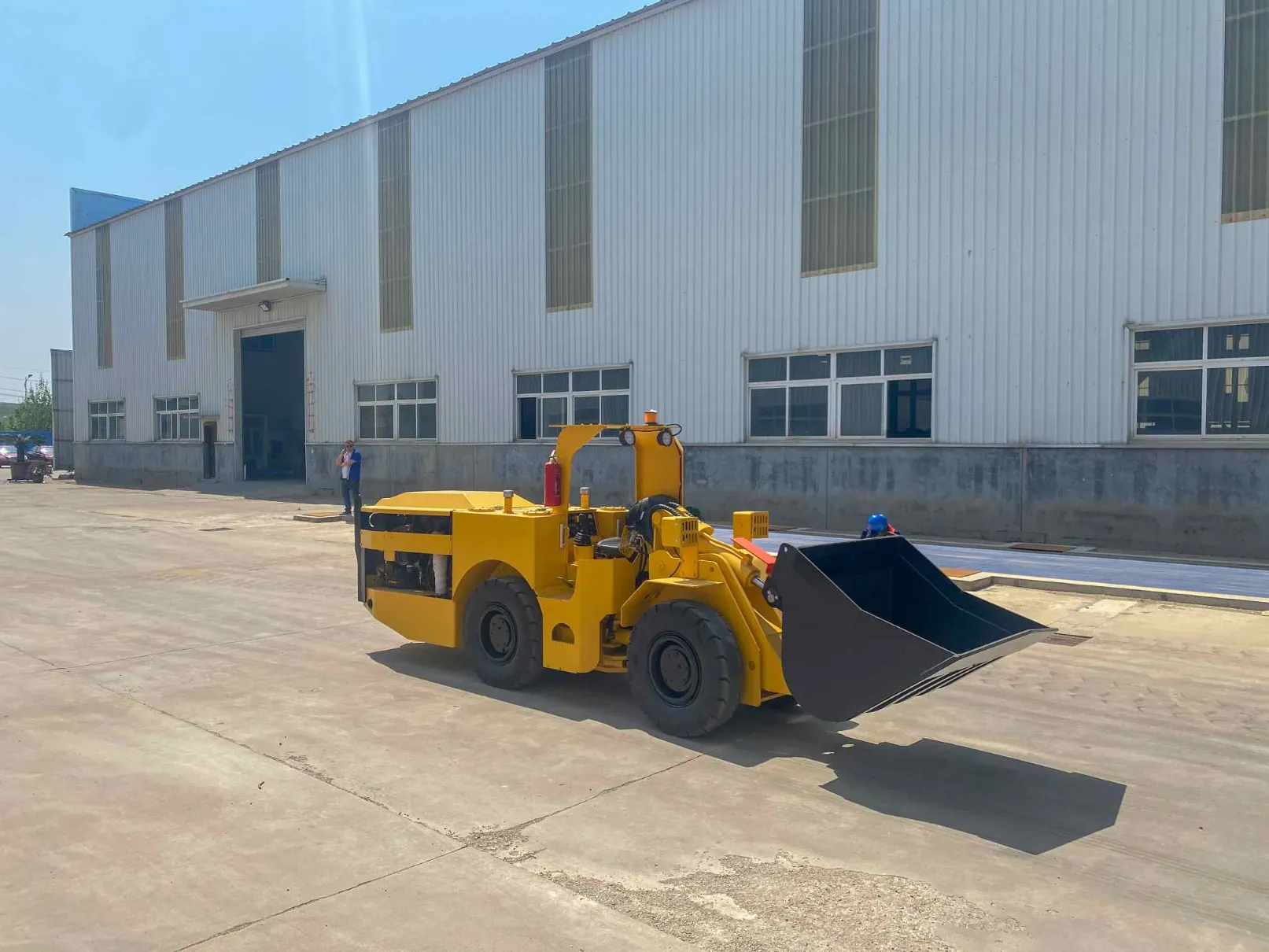
Electric LHDs are basically the electric cousins of traditional diesel LHDs. Instead of a diesel engine, they use electric motors powered by batteries or tethered cables. Lithium-ion batteries are common now, offering hours of runtime before needing a recharge.
The key difference? No combustion. That means cleaner operation right from the start. Companies like Dali, a specialist in designing and manufacturing underground mining Electric LHDs, have refined these systems for tough environments. Their models, for instance, integrate seamless battery swaps to keep downtime low.
Core components of Electric LHDs:
-
Electric motors for propulsion and hydraulics.
-
Advanced battery packs with quick-charge capabilities.
-
Regenerative braking systems to recapture energy.
Safety Perks Built In
Electric LHDs shine in safety. Zero exhaust means no carbon monoxide or nitrogen oxides hanging in the air. Heat output drops too, easing the strain on ventilation. And the noise? Much quieter, so workers can hear warnings or chat without yelling.
Power comes from reliable sources, often tied to an underground mining substation. These substations handle voltage conversion and distribution, ensuring steady juice for the LHDs. It’s a setup that keeps things running smooth.
Electric LHDs, powered through reliable underground mining substations, play a central role in safer underground operations.
How Electric LHDs Improve Underground Safety
Cutting Out Toxic Gases
Diesel LHDs spew out harmful gases like CO and NOx. In confined spaces, that builds up fast, leading to headaches, dizziness, or worse. Electric LHDs eliminate this entirely. No tailpipe, no problem. Miners breathe easier, literally.
Easing Heat and Ventilation Loads
Underground heat is brutal. Diesel engines add to it, forcing more ventilation fans to crank up. Electric LHDs run cooler, slashing ventilation needs by a chunk. Workers stay comfortable, and energy bills dip.

Better Noise Control and Communication
Noise in mines drowns out everything. Electric LHDs hum quietly, improving how teams communicate. Spotters can shout alerts without competing with engine rumble. It boosts overall efficiency too.
Precision Controls to Avoid Accidents
Electric drives offer snappy response. Braking is regenerative, recycling energy while stopping smooth. Fewer mechanical failures mean less downtime and accidents from worn parts.
Electric LHDs don’t work alone. They pair with underground mining safety equipment like gas monitors, personnel trackers, and explosion-proof gear. The electrical setup makes integrating safety modules a breeze. Sensors can flag issues in real time, tying everything together for a safer shift.
Synergy examples:
-
Gas monitors triggering auto-shutdowns.
-
Trackers ensuring safe distancing.
-
Explosion-proof enclosures for all gear.
The Role of Underground Mining Substations in Electric Operations
The Backbone of Power Delivery
Underground mining substations are the unsung heroes. They take high-voltage power from the surface and step it down for use below. This includes feeding Electric LHDs and safety systems. Protection features like circuit breakers prevent overloads or shorts.
In wet, dusty mines, these substations are built tough—explosion-proof, moisture-resistant. They ensure power flows without hiccups, even in harsh spots.
Keeping LHDs and Equipment Running
For Electric LHDs, substations provide charging points or cable feeds. Energy management tools optimize usage, stretching battery life. Remote monitoring lets operators spot faults early, avoiding breakdowns.
A well-designed underground mining substation ensures consistent power supply for Electric LHDs and other underground safety systems. It’s not just about electricity; it’s about reliability in a place where blackouts could spell trouble.
Sometimes, folks overlook how these substations adapt to mine layouts. Curved tunnels or deep levels? No issue—they’re modular for easy install.
Integrating Electric LHDs and Safety Equipment for Smarter Mines
Blending Tech for Better Oversight
Mines are getting smarter. Electric LHDs integrate with sensors and AI for real-time data. Track battery levels, motor temps, or current draw. This spots problems before they escalate.
Underground mining safety equipment amps this up. Gas detectors link to LHD controls, shutting down if levels spike. Personnel positioning systems ensure no one’s in harm’s way during hauls.
Smart Alerts to Cut Human Error
Intelligent alarms warn of risks. Overheating? Low charge? The system flags it. Operators get notifications on tablets or helmets. It reduces mishaps from fatigue or oversight.
A Real Mine Example
Take a copper mine in Chile. They switched to Electric LHDs from Dali, blending them with AI safety nets. Result? Zero incidents in a year. Data from LHDs fed into central monitoring, catching anomalies fast. It’s proof that integration pays off.
Electric LHD plus underground mining safety equipment isn’t just add-ons; it’s a holistic approach. Mines evolve from reactive to proactive safety.
Real-World Benefits: From Safety to Sustainability
Dropping Accident Rates
In practice, Electric LHDs slash accidents. Mines report 20-30% fewer incidents tied to exhaust or heat. Maintenance drops too—fewer filters, no oil changes. Costs fall, morale rises.
Energy Savings That Add Up
Ventilation demands plummet 30-40%. That’s huge savings on power and fans. Electric LHDs regenerate energy on downhills, feeding back into the grid via substations.
Aligning with Green Goals
ESG is big now. Zero-emission ops boost company rep. Mines hit sustainability targets easier. Future? All-electric mines where smart substations orchestrate everything.
Dali’s Electric LHD designs lead here, focusing on durable, efficient tech for long hauls.
It’s worth noting how these changes ripple out. Cleaner air means healthier communities around mines, though that’s a side perk.
Conclusion: Electric LHDs Are the Core of Safer Mining
Electric LHDs deliver on safety, eco-friendliness, and cost savings. They cut risks from gases, fires, and noise while meshing with underground mining substations for solid power.
Pairing with underground mining safety equipment takes it further—smarter monitoring, fewer errors. The industry should lean into this shift for better outcomes.
Looking to enhance mine safety and efficiency? Contact Dali for next-generation Electric LHD solutions.
FAQ: Electric LHDs and Safer Underground Mining
Q: What is an Electric LHD?
An Electric LHD (Load-Haul-Dump) is a battery or cable-powered underground loader that moves ore without diesel exhaust, heat, or loud noise.
Q: Why are Electric LHDs safer than diesel ones?
They produce zero toxic gases, run cooler, make less noise, and lower fire risk—big wins in tight, gassy tunnels.
Q: Do Electric LHDs still need an underground mining substation?
Yes. Substations step down surface power and deliver clean, stable electricity to the LHDs and charging stations.
Q: Can Electric LHDs work with existing safety equipment?
Absolutely. They connect easily to gas detectors, personnel trackers, and explosion-proof systems for real-time protection.
Q: How much can ventilation costs drop with Electric LHDs?
Most mines see 30–40% less ventilation needed, saving huge amounts on fans and electricity every year.
About Us
Qixia Dali Mining Machinery Co., Ltd was established in 1998, located in Yantai City.
The company is mainly engaged in the design, development, production, installation and training of underground mine equipment and ore processing equipment, spare parts supply and sales.
More
Contact Us
- Xinbang Rd, Private Economy Park, Qixia, Shandong Province, China
- +86 173 5350 8179
- ytdali@ytdali.com
 +86 13553073459
+86 13553073459
+86 13553073459


