How to Maintain Underground Utility Vehicles to Prevent Downtime
A utility vehicle that stops deep underground can hold up a crew and turn a small repair into a recovery job. Good underground utility vehicle maintenance starts before the engine starts.
You need a repeatable shift check, an hour-based service plan, stocked parts, and clear records. The same process applies across a mixed underground vehicle range, though each model keeps its own limits. This approach to underground mining vehicle maintenance helps your team find wear in the bay.
What Should You Check Before Every Shift?
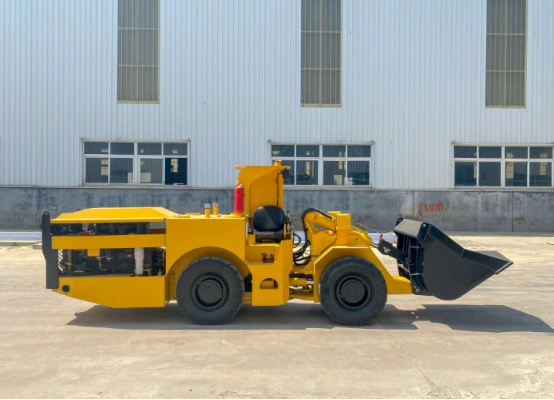
Your underground utility vehicle inspection checklist should follow one route around the machine. A fixed sequence helps an operator spot leaks, loose hardware, or impact damage during shift change. Record the meter reading and each defect before dispatch.
Walk Around the Vehicle in the Same Order
Start at the ground. Look for fuel, coolant, engine oil, hydraulic fluid, and battery coolant where fitted. Check tires for cuts, embedded rock, sidewall damage, and their specified condition. Inspect wheel fasteners, steps, handholds, guards, articulation pins, attachment locks, lights, cameras, and fire protection.
Dust packed into a cooler can raise operating temperature during a slow climb. Mud around a cable clamp can also hide abrasion. Small details matter underground.
Test Brakes, Steering, and Safety Devices
A brake system inspection should cover the service brake, parking brake, emergency function, and release logic. Test steering, the horn, reverse alarm, seat belt, door interlock, and attachment controls. Some underground work platforms use multi-disc service brakes with a spring-applied, hydraulic-release parking brake. Add its manual checks to the shift sheet.
How Should You Set Underground Vehicle Service Intervals?
Your underground utility vehicle maintenance plan should follow the earliest trigger from engine hours, calendar time, or measured condition. Build the mining vehicle maintenance schedule from the OEM manual, then set underground vehicle service intervals for dust, water, heat, gradients, payload, and attachment use.
Preventive maintenance for underground vehicles works when production and maintenance share a service window. Discuss labor, parts, training, and commissioning through the service support process before delivery.
Match the Schedule to Hours and Duty
Group work into shift checks, weekly inspections, hour-based service, and shutdown work. Record fluid additions, filter restriction, fault codes, brake measurements, and battery health. Repeated top-ups call for a work order.
Keep Fluids, Air, and Cooling Systems Clean
Use the listed fluid grade, filter number, and fill procedure for the model and serial range. Store fluids in sealed containers and label transfer tools. Check restriction on a two-stage dry air filter. Clean cooler cores with an approved method, then inspect fins, hoses, clamps, guards, seals, and connections.
What Usually Stops an Underground Utility Vehicle?
Heat, contamination, hose damage, brake wear, loose connections, and impact damage account for many workshop visits. Record the grade, payload, temperature, warning code, noise, smell, and vibration. That description often saves diagnostic time.
Inspect Hydraulics, Driveline, and Electrical Systems
Hydraulic system maintenance covers hoses, fittings, cylinder rods, seals, breathers, filter indicators, pump noise, oil temperature, and response time. Release stored pressure and apply the site isolation procedure before opening a circuit. Hydraulic cylinder locks, where fitted, also need functional checks because they hold the cylinder if a hose fails.
Inspect axle and transmission leaks, joints, mounts, articulation bearings, harnesses, grounds, terminals, connectors, sensors, and charging performance. Oil temperature, oil pressure, and electrical alarms give early fault information. Test each alarm during the scheduled check.
Deal with Dust, Water, and Heat
Road condition belongs in the maintenance discussion. Standing water, poor drainage, sharp rock, tight bends, and repeated ramp braking change wear patterns. After deep water or heavy mud, inspect underbody wiring, breathers, seals, brakes, and cooler faces. A ten-minute clean-up in the bay can prevent a hot engine halfway through the next shift.
Which Parts and Records Protect Fleet Availability?
Parts planning and recordkeeping connect the workshop to production. A technician can finish a planned service when the correct kit is ready. A planner can spot a repeat fault when the work order carries useful detail. Together, these habits reduce equipment downtime in mining and improve utility vehicle fleet availability.
Build Model-Specific Parts Kits
Group filters, seals, belts, hoses, lubricants, fasteners, and wear items by scheduled service. Identify underground utility vehicle spare parts by model, serial range, part number, revision, storage condition, and reorder point.
The underground utility vehicle models include personnel carriers, material trucks, oil tank trucks, water trucks, concrete service vehicles, and multifunctional chassis. Body equipment changes the parts list, so the chassis and installed module should appear on the same work order.
Turn Work Orders into Useful History
Underground vehicle maintenance records should include meter hours, route, load, defect, code, measurements, parts, fluids, repair, test result, and release approval. Review repeat defects, service completion, mean time between failures, repair time, and cost per hour. A second hose failure near one clamp calls for a routing and clamp check.
How Should Operators Respond to Warning Signs?
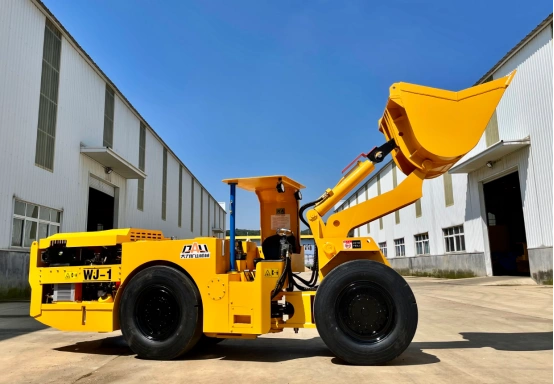
Give operators clear stop rules. Loss of braking, steering faults, major leaks, smoke, overheating, structural damage, fire-system faults, and high-voltage warnings call for isolation under the mine procedure. Other symptoms can enter a planned inspection window when the site rule permits continued travel.
Report the Symptom and Verify the Repair
The operator should report what happened, where it happened, and what the vehicle was doing. The technician then finds the cause, completes the repair, runs the required functional test, and records the release. When the same symptom returns, open a repeat-failure review. Check the repair method, nearby components, road conditions, and operating practice.
Which Maintenance Support Fits Underground Work?
A useful supplier conversation starts with the route, duty cycle, installed body, maintenance skills on site, and local parts lead time. DALI designs underground equipment and supplies installation, training, and spare-parts support. Its utility range includes a multifunctional chassis that can carry different service bodies, which helps a fleet share chassis knowledge while keeping module-specific work orders.
Documented configurations also use automatic lubrication, oil pressure and temperature alarms, electrical warnings, hydraulic locks, and service brake systems suited to underground duty. Ask for the schedule, alarm logic, parts list, training scope, and commissioning checks for the exact model. Those documents give your underground utility vehicle maintenance team a concrete starting point from day one.
FAQ
Q1: How often should an underground utility vehicle be serviced?
A: Follow the underground vehicle service intervals in the OEM manual. Use engine hours, calendar time, and condition readings. Dust, water, steep ramps, heavy loads, and long idle periods may call for more frequent inspections when the manual provides a severe-duty schedule.
Q2: What belongs on a pre-shift inspection?
A: Check leaks, fluid levels, tires, wheels, brakes, steering, lights, alarms, cameras, seat belts, guards, fire protection, attachments, and visible damage. Record the meter reading and each defect.
Q3: Which spare parts should a mine stock?
A: Stock scheduled-service kits and parts chosen from fleet size, use history, supplier lead time, and storage life. Filters, hoses, belts, seals, sensors, switches, brake wear items, connectors, and attachment pins are common candidates.
Q4: How can a mine improve utility vehicle fleet availability?
A: Complete shift checks, book service windows, prepare parts before the job, train operators to report symptoms early, and review repeat failures with measurements from prior work orders.
Q5: What should a mine vehicle maintenance checklist include?
A: Include the asset ID, meter hours, inspection items, service due date, fluid and filter specifications, defect response, parts used, measurements, functional test, and release approval.
About Us
Qixia Dali Mining Machinery Co., Ltd was established in 1998, located in Yantai City.
The company is mainly engaged in the design, development, production, installation and training of underground mine equipment and ore processing equipment, spare parts supply and sales.
More

Contact Us
- Xinbang Rd, Private Economy Park, Qixia, Shandong Province, China
- +86 173 5350 8179
- ytdali@ytdali.com
 +86 13553073459


