Electric Underground Mining Vehicle Maintenance: Heavy-Duty Fleet Solutions
Electric underground mining vehicle maintenance begins with the path it travels. You also need to look at the duty cycle and service data for each machine. Some trucks work on very steep ramps. Others drive through thick dust or deep water. Because of this, they need special checks. These checks must match the hard conditions they face every day.
Battery electric mining vehicle maintenance brings a few extra steps. You have to watch the battery carefully. You must also check the charging equipment and high-voltage parts. This is added on top of your normal checks. You still need to look at brakes, tires, steering, and standard safety systems.
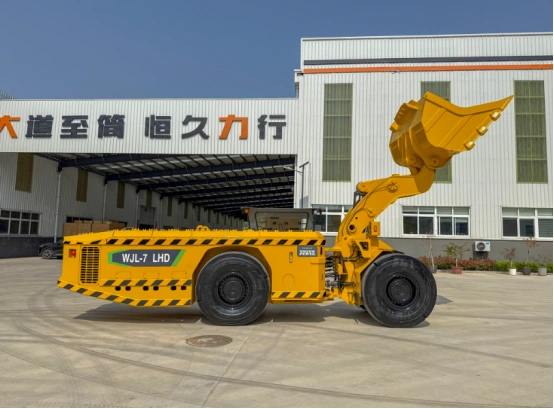
How Does Underground Work Shape Maintenance?
Being deep underground changes how fast parts wear out. It also limits how easy it is to reach the machine. Plus, you have much less time to fix things. So, you should build your maintenance plan carefully. Base it on the exact route and heavy payload of each truck. Think about its operating hours, the steep gradients it climbs, and its attachments.
After that, look at the service manual. Match those details with the rules of your job site. Preventive maintenance for underground vehicles works great when you do it right. The checks just need to match the route and duty cycle. Then, you can set up a good, planned service window.
Match Service Intervals to Duty
You need to pick the right times to service the trucks. Set these underground vehicle service intervals by looking at the maker’s guide. Always use the first warning sign. This could be the operating hours or just calendar time. It might also be a specific condition reading. Lots of dust, high heat, and wet air make a big difference. Going down ramps again and carrying heavy loads will change what you need to check.
Your mining vehicle maintenance schedule must be clear. It has to show the exact task and when to do it. It should also name the person in charge. Do not forget to list the required parts and keep a sign-off record.
Inspect the Vehicle Before Each Shift
Always walk around the truck the exact same way. Do this every single time. Look closely at the tires and wheel fasteners. Check the steps, metal guards, lights, and cameras. Make sure the attachment locks are tight. Hunt for any visible leaks or clear signs of a crash.
Next, you need to test the parts. Try out the service and parking brakes. Turn the steering wheel. Honk the horn and listen for the reverse alarm. Pull the seat belt and check the emergency controls. Follow the mine’s rules for all of this. Finally, write down the meter reading. Note any broken parts before you send the truck out to work.
What Should You Check on Battery-Electric Systems?
Battery electric mining vehicles have extra things to look at. You have to check the charging and high-voltage equipment. This is added to the normal mechanical checks you already know. The exact spots you need to check will change based on how the truck is built. Because of this, always read its manual. Use the approved site procedure for every single job.
Monitor the Battery and Charging System
Keep a close eye on the battery state of charge. Look at all the available state-of-health data you can find. Check the temperature readings and any diagnostic alerts. You also need to look at the charging cables. Check the connectors for damage or dirty spots. Watch out for dark heat marks or loose fittings. Make sure the charging bays stay empty and clean. Ensure the planned charging window fits well with the shift schedule.
Sometimes, a truck might show up with a very low battery. If this happens, follow the site recovery procedure right away. Always write down what happened.
Include Isolation and Technician Readiness
Working with high-voltage power is risky. It calls for safely trained personnel and approved tools. You must follow strict isolation and verification steps. These steps are set by the manufacturer and the mine. Drivers can easily report a simple warning. They can also point out cut or visible cable damage.
But only qualified technicians should do the hard work. They handle the big inspections and fix the high-voltage components. When a problem happens, write down the exact fault code. Also, note the conditions at that moment. Write down the heavy load, the route, the heat, and the charge level.
Check Brakes, Cooling, and Electrical Alerts
Regenerative braking changes how the normal brakes work. Still, driving on steep loaded ramps means you must check the brakes well. Follow the vehicle’s service procedure for this.
You also need to look at the cooling components. Check the wire harness routing, connectors, and ground wires. Listen to the alarms and look at the sensors. A wet hose is easy to miss. A loose plug is also easy to skip during a fast shift change. So, if you see anything weird, add it to the work order right away.
How Can You Plan Charging and Parts for Fleet Availability?
Charging the battery takes time. Service work and getting spare parts also take time. They all happen in the same small window of the day. Underground mining fleet maintenance works a lot better when everyone talks. The dispatch team, the fixers, and the parts store need to share info. They should all look at a common view of vehicle status and plan for upcoming work together.
Schedule Service Around the Duty Cycle
Try to group the tasks together. Put them into simple pre-shift checks. Do your scheduled inspections on time. Also, plan out the big shutdown tasks. Book your service windows smartly. Fit them around charging times, shift changes, and daily production needs. Get your model-specific kits ready before you even start the job.
Put filters, seals, hoses, and connectors in the kit. Add brake wear items and other needed parts. Pick these parts by looking at past maintenance history and supplier lead times. Always check the part number and revision. Make sure the storage condition is good. Confirm the part actually fits the exact vehicle.
Keep Vehicle-Specific Procedures Together
Keep all the paper records in one spot. Store the service schedule and isolation steps together. Keep the charging guidance and the parts list close by. Put the alarm meanings and commissioning checks with the model records.
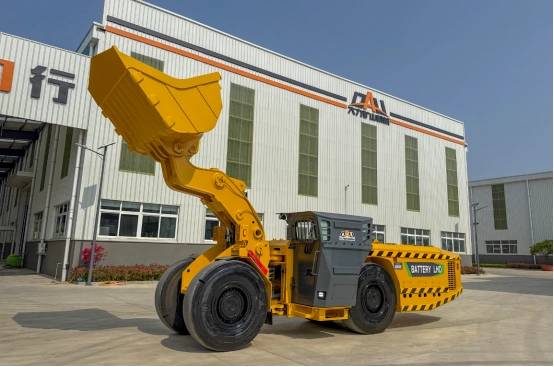
Some trucks use automatic lubrication. Others have hydraulic cylinder locks. They might have oil pressure or temperature alarms. Some even have a special service-brake arrangement. If your truck has these items, put them on its inspection sheet. Confirm every single feature to see if it matches the delivered configuration.
Which Records Help You Improve Maintenance Decisions?
Good underground vehicle maintenance records are very helpful. They let you see repeat faults happening over and over. They also help you plan the labor, parts, and service windows. A really good work order links the bad symptom to the operating conditions. It also writes down exactly how the vehicle returned to service.
Record the Details That Explain a Fault
Always write down the asset ID. Include the meter hours, the route, and the load. Do not forget the warning code, measurements, and parts used. List the repair action you took. Note the functional test results and the release approval.
For battery-electric vehicles, you need a few more notes. Add the charge level. Write down relevant battery or temperature readings if you have them. These small details help your team a lot. They let workers compare a recurring alarm across different shifts. They help you spot a pattern with the route, the charging, or a component pattern.
Review Fleet Measures Regularly
Keep track of planned-service completion. Count the repeat defects. Measure the repair time carefully. Look at the maintenance cost per operating hour. Check the overall vehicle availability. Review these trends with the operators and technicians. Maybe the same hose keeps breaking. Maybe a connector or brake issue returns again. If that happens, look at the nearby components. Check the operating conditions before you set the next work order.
How Can Vehicle Support Fit Your Maintenance Plan?
Picking the right truck changes a lot of things. It changes the parts list you need. It affects the technician training for your workers. It also decides the service documents your team uses.
DALI’s underground vehicle range has many options. It includes utility vehicles. It also has a configurable chassis for service bodies. You can read the existing product information to learn more. It talks about support for installation and training. It lists spare parts, too. It also highlights cool features. These include automatic lubrication and operating alarms. You can also find details on hydraulic locks and underground braking configurations.
Are you doing a new battery-electric project? If yes, ask DALI for help. Ask them to confirm the exact drive package. Get the battery and charger specifications. Ask for the isolation procedure and service intervals. Check what available training is ready for the configuration under review. You can easily compare vehicle categories through the DALI website. Get a model-specific parts list. Also, grab a commissioning checklist. These lists give your maintenance team practical items to verify before delivery.
FAQ
Q1: How often should an underground electric mining vehicle be serviced?
A: Always follow the vehicle’s manual. Stick to the site schedule. Use the operating hours and calendar time. Look at the condition readings. Then, think about the route and the heavy load. Remember to count the dust, moisture, and steep gradient.
Q2: What belongs on a pre-shift inspection?
A: Look closely at the tires and wheels. Test the brakes, steering, lights, and alarms. Search for visible leaks, metal guards, restraints, and attachments. Check for any damage. Write down the meter reading. Report any defects using the mine’s simple procedure.
Q3: How should a mine monitor battery health?
A: Check the available state-of-health data often. Look at temperature readings and the state of charge. Read the diagnostic alerts. Compare these readings over a few weeks. If things change a lot, ask a qualified technician to investigate repeated changes.
Q4: Which technicians should work on high-voltage components?
A: Give these hard tasks to safely trained personnel. They must be authorized under the equipment manual and the mine procedure. Make sure they use the specified isolation steps. They need to do verification checks. They must use the correct tooling and return-to-service steps.
Q5: What should an electric mining vehicle fleet maintenance plan include?
A: It needs to show the service intervals and daily shift checks. It should list charging windows and high-voltage procedures. Add parts planning and clear technician roles. Do not forget the work-order fields. Lastly, include fleet measures like repeat defects and repair time.
About Us
Qixia Dali Mining Machinery Co., Ltd was established in 1998, located in Yantai City.
The company is mainly engaged in the design, development, production, installation and training of underground mine equipment and ore processing equipment, spare parts supply and sales.
More

Contact Us
- Xinbang Rd, Private Economy Park, Qixia, Shandong Province, China
- +86 173 5350 8179
- ytdali@ytdali.com
 +86 13553073459


