Lower Mine Diesel Emissions & LHD Ventilation Load
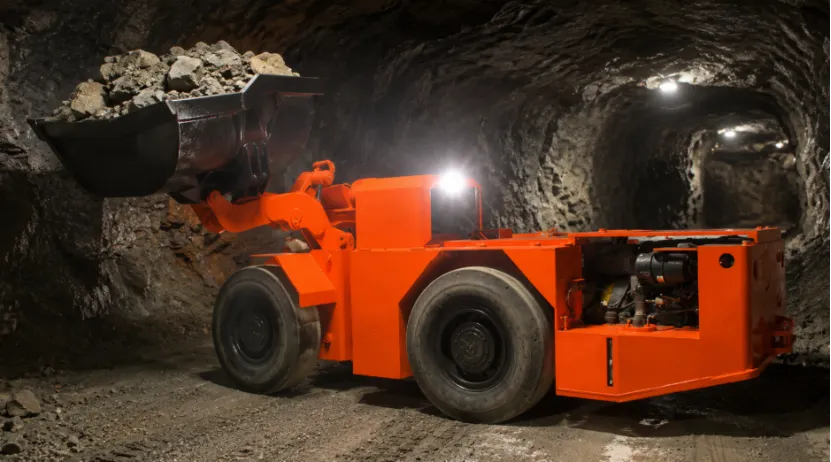
Diesel emissions underground mining is not just a technical issue. It is something your operators feel in the cab, in the throat, and sometimes in the eyes after a long shift. In a tight heading, diesel exhaust, heat, vibration, and noise build up fast. If LHD ventilation is weak or the machine is not maintained well, production slows down because people simply cannot work comfortably.
Industry guidance treats diesel pollutants as a full safety management issue, not a one-time equipment problem. MDG 29 recommends cutting pollutant generation first, then using exhaust treatment, better ventilation, safe work systems, monitoring, and PPE as supporting controls.
It also notes that diesel particulate matter should be kept as low as reasonably practicable, with 0.1 mg/m³ elemental carbon used as a key workplace exposure reference.
What Causes Diesel Emissions Underground Mining Problems?
A diesel machine produces gas, diesel particulate matter, heat, and noise every time it loads, trams, climbs, idles, or dumps. In open air, these problems disperse. Underground, they stay close to the operator and crew unless airflow, maintenance, and equipment choice are handled properly.
Exhaust Gas and Diesel Particulate Matter
Diesel particulate matter mining exposure comes from very fine particles in diesel exhaust. These particles can stay suspended in confined tunnels and move with the ventilation current.
MDG 29 links excessive diesel particulate exposure with irritation symptoms such as eye, throat, and bronchial discomfort, light-headedness, nausea, cough, and phlegm. That sounds small on paper, but anyone who has worked behind a smoking loader knows it is not small underground.
Heat and Noise
A diesel LHD also adds heat and sound to the heading. Noise may not show up on a gas monitor, but it affects fatigue and communication. Heat does the same. Poor underground mining air quality is often a mix of all these factors, not one single pollutant.
Why Is LHD Ventilation So Important?
LHD ventilation protects people, but it also protects your schedule. When fumes sit in the heading, operators wait, supervisors complain, and auxiliary fans work harder. The cost shows up in power bills, idle time, and lost cycles.
Ventilation Should Match Real Machine Load
MDG 29 states that minimum ventilation quantity should consider gaseous emissions, particulate emissions, heat stress, and the total number and power of diesel engines working in the same ventilation current. For a newly developing mine, it gives 0.1 m³/s/kW as good practice for diesel emissions and heat stress, while gaseous emissions need at least 0.06 m³/s/kW or 3.5 m³/s, whichever is greater.
Oversized Equipment Can Raise the Ventilation Burden
A bigger machine is not always the smarter choice. If you use more engine power than the tunnel and production target need, underground mine ventilation load rises. For narrow headings, compact equipment can cut unnecessary fuel burn, improve maneuvering, and reduce the air volume needed to keep the workplace clear.
How Can You Lower Diesel Fumes in Underground Mines?
You reduce diesel fumes in underground mines by attacking the source first. More air helps, yes, but more air alone can hide a maintenance or equipment problem.
Choose Cleaner and Better-Matched Equipment
DALI has focused on underground mine vehicles and processing solutions since 1998. We works from a 130,000 square meter factory, with more than 200 employees, including technicians and engineers. Our product range covers LHDs, underground trucks, mine locomotives, utility vehicles, and EPCM services for metal and non-metal mines.
For buyers, that matters because diesel LHD selection is rarely just about one machine. You also need training, spare parts, site fit, and practical support after delivery.
Use a Diesel LHD Exhaust Purifier
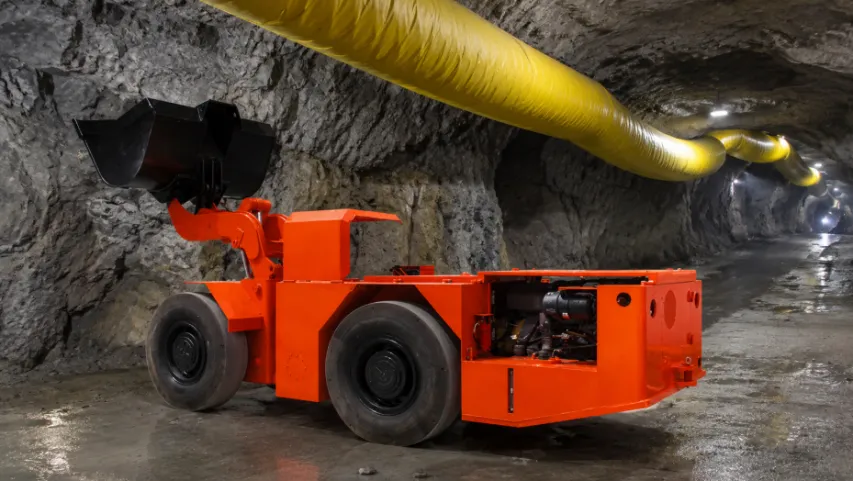
A diesel LHD exhaust purifier helps treat exhaust before it enters the laneway. A silencer also helps lower noise, which is often forgotten until operators start wearing stress on their faces. The DALI WJ-1.5 is a compact diesel LHD for narrow vein mining with a 1.5 m³ bucket, 3,000 kg payload, 83 kW power, EURO II / Tier 2 emission rating, and a catalytic purifier with silencer. Its product page says this setup helps reduce air and noise pollution in the working laneway.
How Do Maintenance Practices Support LHD Emission Control?
A clean machine can become a dirty machine if maintenance slips. Filters clog. Injectors wear. Exhaust backpressure rises. Small faults slowly turn into smoke, heat, and complaints.
Set a Baseline and Watch for Change
MDG 29 recommends baseline exhaust emission testing when a diesel engine is in as-new condition, then regular raw exhaust monitoring through its service life. If emission results move too far from the baseline, the cause should be checked and recorded. This is a practical rule. A sudden increase in underground diesel loader emissions usually has a reason.
Train Operators to Avoid Bad Habits
Long idling, aggressive throttle use, and poor gear choice can raise fuel use and exhaust output. Good training helps your LHD emission control plan work in the real world, not just in a file cabinet. A simple daily check of smoke, warning alarms, filters, oil pressure, and exhaust condition can save a shift later.
How Should You Choose a Compact Diesel LHD?
For narrow vein mining, the right loader should fit the tunnel, bucket target, ventilation plan, and operator safety needs. A compact LHD for narrow vein mining can help reduce dilution and avoid overloading the ventilation system with needless power.
Match the Loader to the Heading
The DALI WJ-1.5 has a tramming size of 6649 × 1760 × 2082 mm and is designed for narrow tunnel operation. It also uses articulated steering, rear-frame operator positioning, hydraulic joystick control, automatic alarms, and SAHR braking. For you, that means the equipment choice supports safety, visibility, and easier daily operation, not only loading capacity.
FAQ
Q1: What Is Diesel Particulate Matter Mining Exposure?
A: Diesel particulate matter mining exposure means worker exposure to fine particles from diesel exhaust. It is a key concern because these particles can remain in underground air and affect respiratory comfort and long-term health risk.
Q2: How Can You Reduce Diesel Emissions Underground Mining Risks?
A: You can reduce diesel emissions underground mining risks by choosing cleaner engines, using exhaust purifiers, maintaining air and fuel systems, planning LHD ventilation correctly, and training operators.
Q3: Why Is LHD Ventilation Important in Underground Mines?
A: LHD ventilation removes exhaust gas, diesel particulate matter, heat, and fumes from the working area. Good airflow helps protect operators and keeps production moving.
Q4: Does a Diesel LHD Exhaust Purifier Reduce Underground Mine Fumes?
A: Yes. A diesel LHD exhaust purifier can reduce harmful exhaust components before they enter the laneway. It should be matched with proper maintenance and enough ventilation.
Q5: Is a Compact Diesel LHD Better for Narrow Vein Mining?
A: Often, yes. A compact diesel LHD can fit narrow tunnels better, reduce unnecessary engine load, lower dilution, and support a more manageable underground mine ventilation load.
About Us
Qixia Dali Mining Machinery Co., Ltd was established in 1998, located in Yantai City.
The company is mainly engaged in the design, development, production, installation and training of underground mine equipment and ore processing equipment, spare parts supply and sales.
More

Contact Us
- Xinbang Rd, Private Economy Park, Qixia, Shandong Province, China
- +86 173 5350 8179
- ytdali@ytdali.com
 +86 13553073459
+86 13553073459
+86 13553073459


