Reducing Dilution and Cost per Tonne with Compact Diesel LHDs
Why Dilution and Cost per Tonne Matter More Than Ever
In underground mining, dilution refers to the waste rock mixed in with the ore. Think of it as the unwanted extra material that sneaks into every tonne mined.
Take a simple example. Suppose a mine pulls out ore with just 5% dilution. For every 100 tonnes mined, 95 tonnes are valuable ore, and processing costs stay low. Now bump that dilution to 20%.
Suddenly, out of 100 tonnes, only 80 are ore. The mine ends up handling 25% more material to get the same ore output. Mining, loading, ventilation, transportation, crushing, mineral processing, and tailings storage. Costs skyrocket across the board.
Control dilution, and costs per tonne drop. Equipment choices play a big role here, especially LHD sizes and setups. Often overlooked, the right LHD can trim waste from the start.
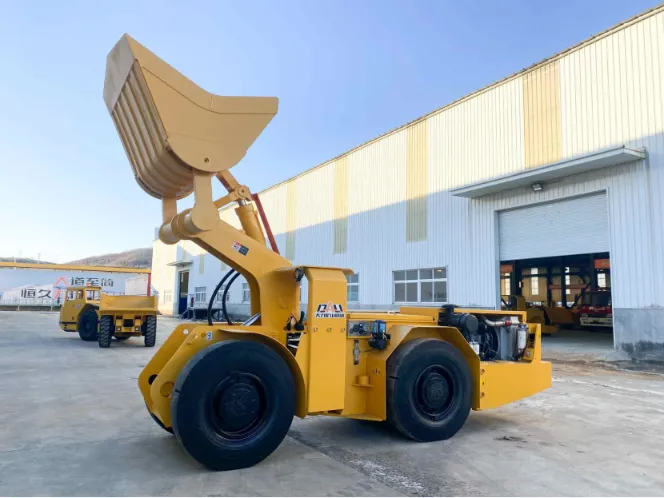
Many OEMs, including Dali, now design compact diesel LHDs with dilution control and cost per tonne in mind, not just raw horsepower.
How Compact Diesel LHDs Influence Dilution in Narrow Vein Mining
Compact LHD for narrow vein mining fits tight spaces better. Diesel LHD loader for small tunnels handles tricky spots without forcing wider cuts.
Matching LHD Size to Vein Geometry and Drift Profile
Narrow veins often span 1 to 3 meters wide. Drifts might measure 3×3 meters to match. A compact LHD with slim tramming size and tight turning radius slips in without issues.
Go too big, and drifts expand by 0.5 to 1 meter. Over time, that adds heaps of waste rock. Extra support costs pile on too. A fitted compact LHD keeps things snug, slashing dilution right away.
Power to Weight Ratio and Breakout Force
A high power to weight ratio lets small machines haul big loads. Strong breakout force digs in without struggle.
Weak engines or hydraulics? Operators blast drifts wider or dig extra just to load. Dilution climbs. Solid power avoids that trap.
Diesel vs Electric: Why Compact Diesel LHDs Still Matter
Diesel vs electric LHD debate heats up. Electric versions cut ventilation needs, but upfront costs bite hard. Infrastructure demands more too. Diesel stays king for many midsize or remote mines. It’s economical and drops in easy.
Inside diesel options, compact designs with low emission diesel LHD underground shine. Tier II or III engines boost efficiency, trimming cost per tonne.
For many small and mid sized operations, compact diesel LHDs from manufacturers like Dali strike a practical balance between upfront capital cost, productivity, and ventilation requirements.
Impact of dilution on cost per tonne shows in ventilation savings alone. Electric might edge out there, but diesel holds for quick setups.
Design Features of Compact Diesel LHDs that Help Reduce Dilution
LHD design for dilution control focuses on fit and function. Underground loader features for narrow vein mining target waste reduction.
Tramming Size, Turning Radius and Visibility
Slim bodies and short wheelbases mean smaller drifts. Less waste dug out. Tight turns hug vein paths, skipping detours. Operators see better in cramped spots, dodging bumps and overbreaks.
Bucket Capacity and Fill Factor
Bigger buckets aren’t always best. Match to drift size and vein thickness for quick cycles. High fill factors on smaller buckets beat half empty giants. Avoid scraping extra rock to fill up.
Drivetrain, Traction and Gradeability
Strong traction and gearboxes conquer steep narrows loaded. No splitting loads or extra trips. Cuts down on wasteful mucking and drilling.
Emissions, Heat and Ventilation Load
Efficient engines and aftertreatment curb fumes and heat. Ventilation loads drop, easing costs per tonne.
Operating Practices: Using Compact Diesel LHDs to Cut Dilution and Cost per Tonne
LHD operating best practices underground tie into dilution cuts. How to use LHD to reduce dilution starts with smart habits.
Shorter Haul Distances and Smarter Traffic Patterns
Compact units dump closer to ore passes. Less waste hauled far. Layout passing bays and loops tight. Cycle times shrink, empty runs vanish.
Operator Training and Cycle Discipline
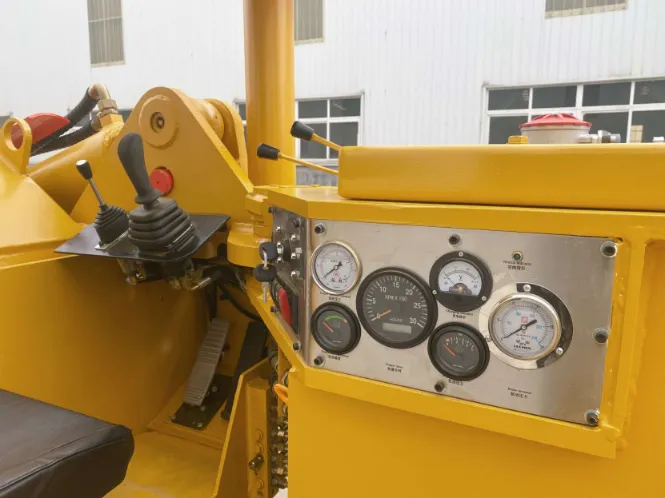
Drivers’ turns scrape walls? Bad angles dig waste. Train for precision. Tie dilution awareness to KPIs. Keeps everyone sharp. Some OEMs, such as Dali, design ergonomic driver’s seats to provide drivers with better operating space.
Ever notice how a quick tip on bucket angle saves tonnes? Small tweaks add up.
Calculating the Business Case: From Compact LHD to Lower Cost per Tonne
LHD cost per tonne calculation reveals savings. ROI of compact diesel LHD pays off long term. Picture a narrow vein mine at 20% dilution. Switch to compact diesel LHDs and smaller drifts, drop to 10 12%.
Processed tonnes fall, ventilation power dips. Tires, fuel, maintenance ease up. Frame it simple: tally waste cuts against old setup. Data sells the upgrade over cheap buys.
A Checklist for Selecting Compact Diesel LHDs with Dilution Control in Mind
Selecting compact diesel LHD needs a solid list. LHD specification checklist for narrow vein mines covers basics.
1. Check vein width and target drift size first.
2. Tramming dimensions and turning radius next.
3. Bucket capacity versus stope tonnage goals.
4. Power to weight ratio, breakout force, gradeability.
5. Emissions level and ventilation impact.
6. Ergonomics, visibility, safety systems like ROPS/FOPS, SAHR brakes, collision avoidance.
Using this checklist with your equipment partners — whether you work with Dali or another OEM — will help ensure your compact diesel LHDs are truly aligned with your dilution and cost per tonne targets.
Small Machines, Big Impact on Dilution
Dilution sneaks up as a hidden killer on underground mining costs per tonne. Pair compact diesel LHDs with matched processes and sharp operations. Real drops in dilution and expenses follow.
Equipment picks go beyond “good enough” loaders. They’re strategic moves shaping mine economics for years.
FAQ
Q: How do compact diesel LHDs help reduce dilution in underground mining?
Compact diesel LHDs reduce dilution by enabling smaller drift sizes, improving control in narrow vein stopes, and minimizing unnecessary waste rock excavation.
Q: What factors influence cost per tonne when using diesel LHDs?
Key factors include dilution levels, haulage cycle efficiency, fuel and ventilation costs, maintenance intervals, and how well the LHD fits the mine’s drift geometry.
Q: Are compact diesel LHDs suitable for narrow vein mining?
Yes. Their smaller tramming dimensions, tighter turning radius, and optimized bucket size make them ideal for narrow vein operations that require minimal drift over excavation.
Q: Diesel vs electric LHD—Which is more cost effective for small mines?
For many small or remote mines, diesel LHDs remain more cost effective due to lower capital cost and simpler infrastructure, especially when using modern low emission compact models.
Q: What should I consider when selecting a compact diesel LHD to reduce dilution?
Check drift size compatibility, bucket width, power to weight ratio, breakout force, emissions, visibility, and whether the machine can operate efficiently in small headings.
About Us
Qixia Dali Mining Machinery Co., Ltd was established in 1998, located in Yantai City.
The company is mainly engaged in the design, development, production, installation and training of underground mine equipment and ore processing equipment, spare parts supply and sales.
More
Contact Us
- Xinbang Rd, Private Economy Park, Qixia, Shandong Province, China
- +86 173 5350 8179
- ytdali@ytdali.com
 +86 13553073459
+86 13553073459
+86 13553073459


