Diesel vs Electric Mining Fleets: Ventilation & OpEx Guide
Choosing between diesel and electric mining fleets changes many things in your mine. It changes the airflow, heat, and power you need. It also changes repair work and how much rock you move each shift. Diesel trucks work well when you can easily move fuel. But battery electric mining equipment is good if your mine has strong power lines. You also need enough room for charging or cables. Your choice should come from real route facts and the cost per tonne.
First, look at your rock goals per shift. Note the travel length, hill slope, and work hours. Also check the fan limits, power price, and repair time. Test both types of machines on the exact same job. The buying price is important. But fan costs and broken-down time matter just as much.
What Should You Compare in Diesel and Electric Mining Fleets?
Test both machines using the exact same load, path, and rock type. Use the same work time, driver plan, and rock goal. Write down your power, repair, and waiting data on their own lists.
Ventilation and Heat Load
Fresh air fans handle smoke, heat, and dust. They also give safe air to workers. Diesel equipment blows engine smoke and heat into the mine. This changes your underground mine ventilation diesel plan. Electric machines make you look at battery or cable heat instead. You must blow air into charging rooms and cool the electric parts down.
Energy Consumed per Shift
Count the fuel liters for diesel equipment. For electric equipment, check the kWh right at the plug. You must add up idle time, hill climbing, and loading. Also include the drive back and power lost while charging. Reading the wall plug helps more than reading the motor sticker.
Maintenance and Service Hours
Diesel care means checking oil, filters, and fuel lines. You must also check the smoke cleaners, water coolers, and gears. Electric care includes the batteries, motors, and power boxes. You will check wires, plugs, and computer codes. Both kinds need new tires, brakes, and moving joints. They both have metal parts that wear out over time.
Infrastructure and Operator Workflow
Diesel fleets need safe fuel delivery and big tanks. You must catch spills and have good air fans. Electric fleets need strong power boxes and charging spots. They also need safe wire paths, crash guards, and battery rules. A truck waiting for a charge slows you down. It is just like a truck waiting for fuel.
How Does Diesel Equipment Affect Underground Mine Ventilation?
Diesel works best for very long trips. It is great if you have set fuel spots and weak power lines. When you plan the fans, look at the exact engine. Think about the daily work and heat it makes. Also read your local safety rules. You cannot plan the fans just by looking at the engine size.
Exhaust, Heat, and Airflow Planning
For example, the WJ-4 model uses a 242 kW diesel engine with a smoke cleaner. The WJ-8 uses a bigger 315 kW engine. It meets Euro III rules and has DOC plus DPF smoke traps. It is built for a 50°C hot room. These exact numbers show why you must check every single machine.
The WJ-8 also burns about 32 L/h of fuel when working at 50% load. Turn those liters into a real power cost and a fresh air goal. If the driver lets the truck sit still a lot, these numbers will change.
Emission System and Maintenance Checks
Smoke cleaners must be looked at and washed often. The engine settings must be right. Dirty air blocks, hot water, or clogged smoke traps will make the truck burn more fuel. Keep a close eye on repair hours, break-downs, and filter changes.
Duty Cycle and Ventilation Cost per Tonne
Find out how much fan power you use while the truck works. Then, split that cost by the tonnes of rock moved. Doing this puts the diesel mining equipment operating cost right next to the electric mining equipment operating cost.
Where Does Electric Equipment Change the Operating Cost?
Electric trucks move your money to different places. You spend more on thick wires, big plugs, and power boxes. You also have to plan when to swap batteries and figure out charging times.
Charging, Cable, and Electrical Capacity
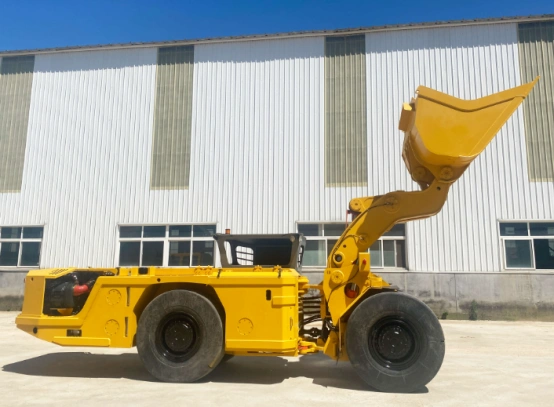
Look at the WJD-2 truck. It can carry a 4,000 kg load in a 2 m³ bucket. It has a strong 75 kW IP55 motor. You can run it on 220, 380, or 440 V power. Its total size is 7,430 × 1,815 × 2,050 mm. Before you pick battery electric mining equipment, check your power lines. Know exactly where the plugs go and how far the wires stretch. You must have space to charge and a way to pull out a dead truck.
Energy Cost Calculation
Diesel cost is just burned liters times the fuel price. Electric cost is wall kWh times your power bill rate. You must add extra grid fees, lost charging power, and waiting power. Swap out your guesses with real numbers once the machines start working.
Battery, Motor, and Component Service
Fixing electric trucks removes oil changes and exhaust fixes. Instead, you check battery life, wire covers, and big plugs. You have to test heat systems and high-voltage parts. Make sure you hire trained workers. Have safe tools, extra charging parts, and fresh batteries ready.
How Do DALI Fleet Examples Inform the Comparison?
Looking at real underground equipment helps a lot. It gives you basic diesel and electric LHD choices to start matching loads to your paths.
Diesel Reference Data from WJ-4 and WJ-8
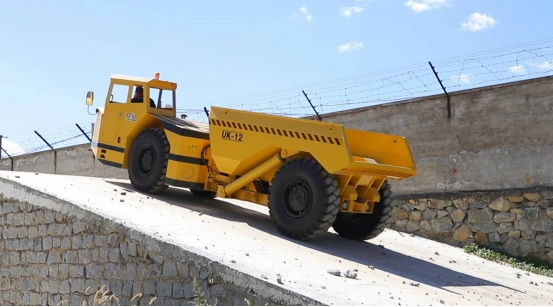
Look at the 10 tonne diesel LHD. It matches a 10 tonne payload with a 4.5 m³ bucket. The WJ-8 is bigger. It handles 18 tonnes and a 7.5 m³ bucket. It needs a 5 × 5 m tunnel. Their jobs are very different based on the road and rock output.
Electric Reference Data from WJD-2
The 4 tonne electric model uses a 2 m³ bucket and a 75 kW motor. Because it runs on 220, 380, and 440 V, you must think about your mine’s wire setup right away.
Matching Payload and Route Duty
The dirt weight, bucket size, and hills all link together. Turning spots and dump heights matter too. More power is useless if the truck gets stuck in a tight corner. A tiny truck will fail if the boss suddenly wants more rock moved.
How Should You Calculate Mining Equipment Total Cost of Ownership?
To find the mining equipment total cost of ownership, you need a fair baseline. Use the cost per shift and cost per tonne. Do the math yourself instead of just trusting the seller’s guess.
Cost per Shift and Cost per Tonne
Daily running cost equals power plus planned fixes plus worn parts. Add tires, fan power, and fuel handling. Then figure out the cost per tonne. Divide the daily cost by the tonnes of rock moved.
Downtime and Production Impact
Add up all the wasted minutes. Count repair jobs, charge times, and fuel trips. Include random break-downs and waiting in lines. Keep a side list of rock you failed to move because of this downtime.
Fleet-Level Comparison Worksheet
Keep an eye on the trucks for 30 full days. Write down all fuel or kWh used and rock moved. Mark the fan hours and fuel stops. Note repair times, flat tires, and sudden breakdowns. This will give your underground mining fleet selection team a real baseline.
What Should an Underground Mining Fleet Selection Checklist Include?
Your list must show rock goals, load size, road bumps, and hill slopes. Add dirt weight, fan limits, and power bills. Write down where the fuel is and if the power grid is strong. Note charging spots, mechanic skills, and spare parts. Add fire safety, panic switches, driver training, and ROPS/FOPS or CE safety papers.
A Practical Powertrain Review for Your Mine
A good test links the truck directly to your roads. DALI helps with diesel and electric tunnel truck plans. They offer many LHD sizes, bucket shapes, and motor types. They also give you thick technical books. Their safe project files have important loader ROPS/FOPS and CE paperwork. Their underground vehicle selection guide pairs perfectly with your tracking sheet.
When you ask for a price, send them your daily rock goals and tunnel sizes. Give them trip lengths, hill slopes, fan limits, and power costs. Tell them how the truck talks to other machines. These facts give you a true look at diesel vs electric mining fleets based on real work.
FAQ
Q1: How Does Diesel Equipment Affect Underground Mine Ventilation Diesel Planning?
A: Diesel trucks blow dirty smoke and heat into the air. Base your fan plan on the exact engine and smoke cleaner you pick. Think about work hours, hill slopes, and town rules. Check filters and water coolers, since bad truck care wastes fuel and makes worse smoke.
Q2: Which Powertrain Has Lower Diesel Mining Equipment Operating Cost?
A: Look at fuel, fan power, repair jobs, tires, and rock moved to find out. Diesel may fit a mine with easy fuel access but weak power lines. The real answer always depends on your specific daily tasks.
Q3: What Does Battery Electric Mining Equipment Require Underground?
A: You must set up strong power lines and charging rooms. Plan for safe wires, crash guards, and heat control. Hire trained workers for safe battery handling. Make sure charging fits into the shift plan. Have a plan ready to tow trucks with dead batteries.
Q4: How Do You Compare Electric Mining Equipment Operating Cost?
A: Keep track of wall kWh, power bills, and grid fees. Add up lost charging power, repairs, battery care, and flat tires. Divide the day’s cost by the rock moved. Use the exact same road and load facts that you did for diesel trucks.
Q5: What Is the Main Input for Underground Mining Fleet Selection?
A: Begin with rock moved per shift and the whole driving path. Include load size, dirt weight, hills, and trip length. Add fan limits, power lines, repair bays, dumping spots, and safety papers. These details will make your diesel vs electric mining fleets choice much clearer.
About Us
Qixia Dali Mining Machinery Co., Ltd was established in 1998, located in Yantai City.
The company is mainly engaged in the design, development, production, installation and training of underground mine equipment and ore processing equipment, spare parts supply and sales.
More
Contact Us
- Xinbang Rd, Private Economy Park, Qixia, Shandong Province, China
- +86 173 5350 8179
- ytdali@ytdali.com
 +86 13553073459


