Efficient Layout Design for Narrow Tunnel Mining Equipment

Introduction
Designing an efficient layout for underground mining operations is crucial, especially in narrow tunnels where space is limited. Equipment arrangement directly affects productivity, safety, and maintenance accessibility. A well-planned layout helps reduce traffic conflicts, shorten hauling distance, and improve overall workflow in confined environments.
Space Constraints in Narrow Tunnels
Tunnel Dimensions and Clearance Limits
Narrow tunnels squeeze everything tight. Vehicle width tops out at maybe 2 meters in some spots, and turning radius gets brutal. Pick machines that fit the tightest pinch point along the whole route. Oversized gear just jams up the works. Measure twice, deploy once. That old rule saves headaches down the line.
Ventilation and Safety Access
Airflow keeps crews breathing, so ducts need clear runs along walls or ceilings. Cables snake through too, and escape paths stay wide open. Block any of that, and risks spike fast. Layouts that crowd these essentials invite trouble. Keep paths marked and free. Safety first, always. A quick check during planning catches most issues early.
The Role of Traffic Flow Analysis
Sketch out paths for loaders, trucks, and support rides on paper or software. Spot where bottlenecks form before metal hits rock. Congestion shows up in simulations like red flags. Adjust routes to smooth things out. Real mines run these maps daily. It turns chaos into order, plain and simple.
Core Equipment Chain—LHD and Underground Trucks
The Loading and Hauling Connection
LHDs scoop ore and dump into trucks quick. Any lag there slashes cycle times hard, sometimes by 20 percent. Sync the handoff spot on. Trucks wait ready, loaders dump and roll. Smooth transfers keep the chain tight. Delays ripple through the shift. Nobody wants that drag on output.
Optimizing Haul Routes and Dump Points
Cut haul lengths where possible. Add turnaround bays at key spots. Less backing up means fewer close calls. Routes should avoid machine overlaps. Straight shots work best in tight spaces. Dump points near the face speed things up. Efficiency jumps when distances shrink.
Layout Tips from Field Applications
Stagger load zones in slim headings. Alternate traffic directions to keep flow steady. Machines pass without stopping much. Dali’s engineers tweak these setups for clients often. It clears jams in real time. Field tweaks beat theory every time. Operations hum louder with these adjustments in place.
Supporting Systems—Concrete Sprayer and Mixer Coordination
Balancing Production and Maintenance Access
Position mixers close to sprayers but leave room for wrench work. Material moves fast, service crews reach easy. Cramped spots kill uptime quick. Balance the two needs smart. Production rolls, fixes happen smooth. A little extra space pays off big. Downtime drops noticeably.
Reducing Dead Space in Tunnel Design
Pack gear tight but smart. Avoid gaps that swallow tunnel volume. Space sprayer and mixer with just enough gap for ops. No overlaps, no waste. Compact layouts free up rock for mining. Every meter counts underground. Dead zones just collect dust and problems.
Case Insights from Modern Mines
Newer sites build service bays right by spray zones. Shotcrete flows steady, fixes happen fast. Downtime shrinks. Efficiency climbs. Dedicated spots keep sprayers humming. Crews love the quick access. These setups prove the point in active drifts. Real gains show in shift reports.
Utility and Personnel Vehicle Integration
Coordinating People and Material Flows
Personnel carriers and material haulers share lanes. Slot time windows for each type. Conflicts drop way down. People move during quiet hauling spells. Supplies roll when crews settle. It keeps tunnels clear. Smooth coordination beats constant dodging. Traffic flows like clockwork then.
Designing Safe Waiting and Parking Zones
Carve side niches or widen crosscuts. Vehicles pull over easy, others pass safe. Emergency routes stay open wide. No bottlenecks in a pinch. These spots handle waits without chaos. Safety holds strong. A simple widen here saves lives later.
Increasing Fleet Efficiency
Route personnel rides around peak equipment hours. Sync schedules tight. Fleet moves fluid. Dali stresses this timing in partner plans. Peaks and lulls balance out. Efficiency rises across the board. Less idle time, more output. It all adds up shift after shift.
Fluid Supply and Maintenance Equipment Positioning
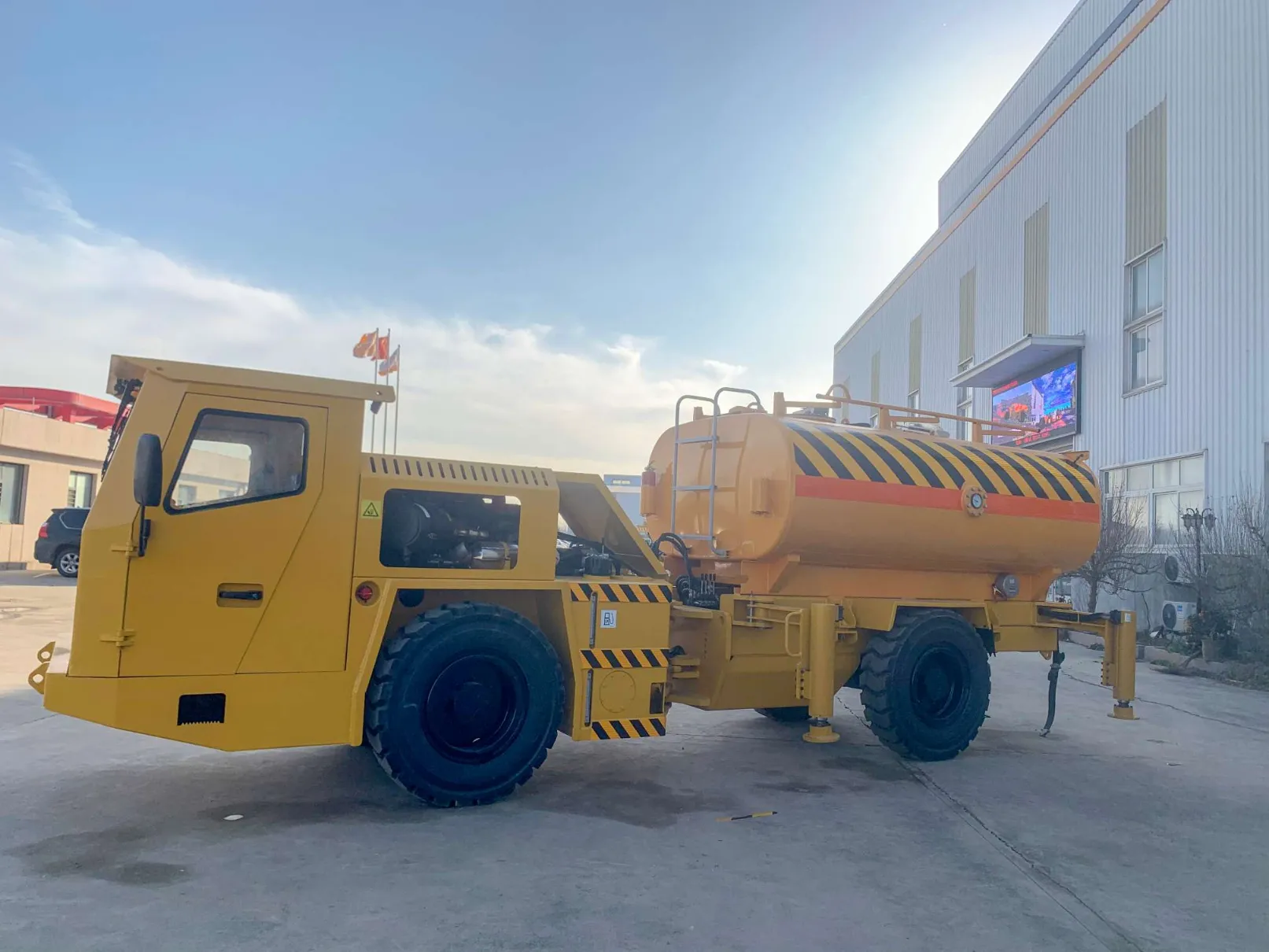
Oil Tankers and Sprinklers in Service Corridors
Run fluid haulers in side tunnels or off-peak slots. Hauling traffic stays clear. No interruptions mid-cycle. Parallel paths work wonders. Sprinklers tag along without blocking. Operations keep rolling. Smart routing avoids the mess of mixed flows.
Accessibility for Refueling and Fire Safety
Set central fuel bays near junctions. Turnarounds quicken. Keep flammables far from load zones. Fire risks drop. Access stays simple for tankers. Crews refuel fast and safe. Layouts like this prevent sparks in wrong spots. Safety and speed align perfect.
Streamlining Maintenance Operations
Park fix-it gear close to hot spots. Response times shorten. Unplanned stops fade. Tools reach breakdowns quick. Maintenance flows smooth. Strategic spots cut drag on production. Everything stays up longer. A well-placed bay turns hours into minutes sometimes.
Multifunctional Chassis for Flexible Tunnel Operations
Combining Multiple Tasks in Limited Space
One chassis handles sprayer, mixer, or carrier swaps. Vehicle numbers drop. Parking eases up. Space opens for core work. Tasks merge on one frame. Flexibility rules in tight tunnels. Fewer machines mean less clutter. Operations breathe easier.
Layout Efficiency Through Modular Design
Swap modules as tasks shift daily. Tunnel stays open for essentials. Reconfig quick, no extra rides needed. Modular setups adapt fast. Space use optimizes. Crews switch roles smooth. Efficiency holds steady through changes.
Adapting to Complex Underground Networks
Layouts change with new drifts. Modular chassis simplify the shuffle. Logistics planning eases. Dali explores this in projects often. Vehicles flex to new maps. Management stays practical. Complex networks handle shifts without gridlock. It fits real mine evolution.
Conclusion
Efficient layout design in narrow underground tunnels requires grasping spatial constraints, aligning vehicle functions, and balancing safety with productivity. When properly executed, the coordination of loaders, trucks, and utility vehicles minimizes congestion and downtime. Dali continues to focus on practical, field-tested solutions that make underground mining operations smoother, safer, and more efficient.
FAQ
Q: What’s the biggest mistake in narrow tunnel layouts?
A: Ignoring turning radius early. Machines get stuck, and fixes cost days.
Q: How do staggered loading zones help?
A: They let one LHD load while another dumps, keeping the cycle tight.
Q: Why separate fluid runs from hauling?
A: Mix them, and spills or delays halt production. Parallel paths prevent that.
Q: Can modular chassis really cut vehicle count?
A: Yes, one frame does multiple jobs, freeing space and reducing parking jams.
Q: How often should traffic flow get reviewed?
A: Every shift change or layout tweak. Fresh eyes catch new bottlenecks quick.
About Us
Qixia Dali Mining Machinery Co., Ltd was established in 1998, located in Yantai City.
The company is mainly engaged in the design, development, production, installation and training of underground mine equipment and ore processing equipment, spare parts supply and sales.
More

Contact Us
- Xinbang Rd, Private Economy Park, Qixia, Shandong Province, China
- +86 173 5350 8179
- ytdali@ytdali.com
 +86 13553073459
+86 13553073459
+86 13553073459


