How to Choose an Electric LHD for Medium-Scale Mining
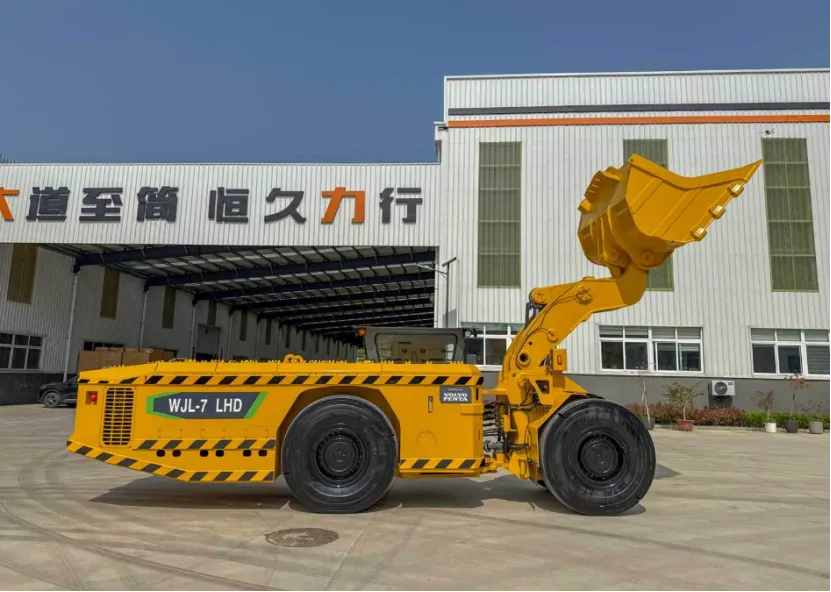
Choosing an electric LHD is not just a cleaner-equipment decision. For a medium-scale mine, the loader has to fit the drift, match the ore handling target, work through the shift, and still leave room for service planning. If one of those points is wrong, the machine may look good on paper but become a daily headache underground.
In this case, the mine needed a medium-scale underground mining loader for both development loading and production loading. The team compared bucket capacity, tramming capacity, battery capacity, electric LHD charging time, working temperature, safety, and supplier support before choosing the right battery electric scooptram.
Why Did the Mine Start Looking for an Electric LHD?
The mine had used diesel loaders for years. They worked, but the site was facing higher pressure from ventilation, heat, and exhaust control. Underground crews also wanted a cleaner working space. Anyone who has spent a long shift near diesel equipment knows that air quality is not a small detail.
Diesel Equipment Increased Ventilation Pressure
A battery electric LHD can reduce diesel fumes at the working face. For underground production, this matters because ventilation cost, worker exposure, and drift temperature all affect real output. A zero-emission underground loader also helps reduce exposure to diesel particulates and gases such as NOx, HC, and CO.
That is why electric LHD selection started with the mine’s working environment, not only with price. The buyer wanted an electric LHD for underground mining that could cut emissions while still carrying enough ore per cycle.
What Capacity Did the Mine Need for Production Loading?
Capacity was the next serious check. A loader that is too small increases haul cycles. A loader that is too large can struggle in tight turns, low headings, or narrow loading bays. For a medium-scale operation, balance matters more than chasing the biggest number.
Bucket and Tramming Capacity Had to Match the Mine
The team looked for a 3m3 electric LHD because the bucket size matched the mine’s ore handling plan and drift space. DALI WJ-3EB has a standard bucket capacity of 3.0 m³ and a rated tramming capacity of 7000 kg, which makes it a practical 7 ton electric LHD for medium-scale underground production.
This type of underground production loader can reduce unnecessary cycles without forcing the mine to move to an oversized machine. It is a sensible middle ground, and in mining, sensible often wins.
Why Did Battery Capacity and Charging Time Matter?
For a battery electric scooptram, the question is not only “How big is the battery?” The better question is: can the battery support the shift plan, charging window, route distance, and grade conditions of this mine?
The Battery Had to Fit the Work Cycle
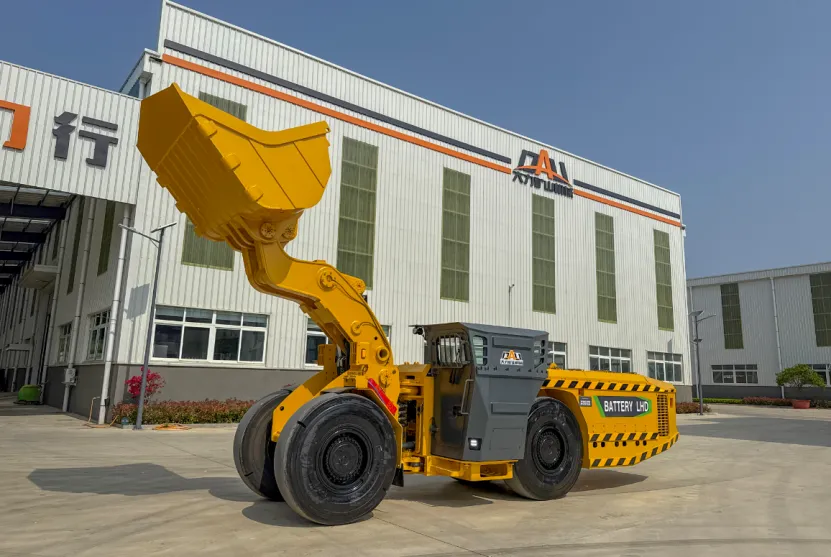
DALI WJ-3EB uses a LiFePO4 battery with 282 kWh usable capacity. This gives the mine a strong base for regular loading work. Its liquid-cooled cells and integrated thermal management system also help the battery work in underground conditions.
Charging time was just as important. The machine supports 0–90% charging in about 1 hour, which helps when charging needs to fit between work cycles, shift changes, or short maintenance windows. A long underground loader charging delay can hurt utilization fast. Nobody wants a loader waiting while the crew is ready.
How Did Service Support Affect the Final Purchase Decision?
Equipment support became part of the buying decision. A mine does not only buy steel, battery cells, and hydraulics. It also buys spare parts access, training, installation help, and people who can answer when something goes wrong underground.
Supplier Experience Reduced Purchase Risk
DALI was established in 1998 in Yantai, China. We are engaged in the design, development, production, installation, and training of underground mine equipment and ore processing equipment, as well as spare parts supply and sales. Our products cover LHD, underground mining truck, mine locomotive, mobile rock splitter, scaler, and related underground vehicles.
For buyers, that background matters. DALI states that its machines serve more than 900 mines and that it has built more than 500 mine processing plants. This makes DALI more than an electric LHD manufacturer. It is an underground mining equipment manufacturer with project experience, product range, and service support that can help reduce risk for B2B procurement.
Why Did the Mine Choose DALI WJ-3EB for Medium-Scale Production?
After reviewing capacity, emissions, charging, service, and future use, the team selected DALI WJ-3EB as the best match for the production scale. It answered several concerns at the same time, which is what a good procurement choice should do.
The Specification Matched More Than One Need
DALI WJ-3EB is a battery electric scooptram designed for small to middle-scale underground mining operations. It offers 3.0 m³ bucket capacity, 7000 kg tramming capacity, 282 kWh battery capacity, 0–90% charging in about 1 hour, and 0–40°C operating ambient temperature.
The loader is also 100% exhaust-free, supports energy regeneration, and is automation-ready for mixed underground fleets. For a mine planning cleaner production and stable loading, these points are practical. They affect air quality, shift planning, uphill performance, and future fleet management.
How Should Buyers Make the Final Electric LHD Selection?
Electric LHD selection should start with the mine, not the machine brochure. You need to check drift width, turning space, ore density, target output, haul distance, grade, charging plan, temperature, and service support.
The Right Loader Should Fit the Real Mine
A medium-scale underground mining loader must do more than carry ore. It should match the mine’s daily rhythm. A battery electric scooptram like DALI WJ-3EB can be a strong choice when the mine needs a 7 ton electric LHD, a 3m3 electric LHD, fast charging, and cleaner underground operation.
For buyers comparing diesel-free mining equipment, the best decision is not the biggest loader or the newest battery. It is the machine that can keep working in your drift, your shift, and your service plan.
FAQ
Q1: What Capacity Is Suitable for a Medium-Scale Underground Mining Loader?
A: A medium-scale underground mining loader should match the mine’s drift size, ore density, haul distance, and production target. A 7 ton electric LHD with a 3.0 m³ bucket can suit many medium-scale production and development tasks.
Q2: Why Choose a Battery Electric Scooptram Instead of a Diesel Loader?
A: A battery electric scooptram can reduce diesel exhaust, lower exposure to harmful gases, and help improve the underground working environment. It is useful where ventilation is limited or cleaner production is a priority.
Q3: How Important Is Electric LHD Charging Time?
A: Electric LHD charging time is very important because it affects shift planning and equipment availability. A shorter charging window can help the mine arrange charging during shift change or maintenance breaks.
Q4: What Should Buyers Check Before Choosing an Electric LHD?
A: Buyers should check bucket capacity, tramming capacity, machine size, turning ability, battery capacity, charging method, operating temperature, grade performance, safety features, service support, and spare parts availability.
Q5: Is DALI WJ-3EB Suitable for Medium-Scale Underground Production?
A: Yes. DALI WJ-3EB is designed for small to middle-scale underground mining operations. Its 7000 kg tramming capacity, 3.0 m³ standard bucket, 282 kWh LiFePO4 battery, fast charging, and exhaust-free operation make it suitable for production and development loading.
About Us
Qixia Dali Mining Machinery Co., Ltd was established in 1998, located in Yantai City.
The company is mainly engaged in the design, development, production, installation and training of underground mine equipment and ore processing equipment, spare parts supply and sales.
More
Contact Us
- Xinbang Rd, Private Economy Park, Qixia, Shandong Province, China
- +86 173 5350 8179
- ytdali@ytdali.com
 +86 13553073459
+86 13553073459
+86 13553073459


