How an Underground Mine Reduced Diesel Fumes with a Battery Electric LHD
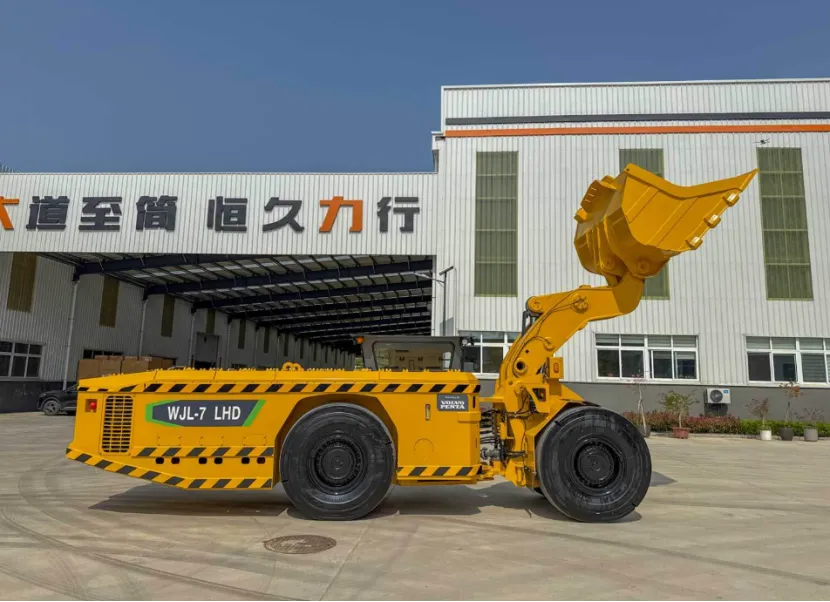
Diesel fumes underground mining is not just an air-quality complaint. It affects ventilation load, heat control, operator comfort, and sometimes the mood of the whole shift. A diesel loader can move ore well, but it also brings exhaust into narrow headings where airflow is limited.
For one underground mine, the decision to study a battery electric LHD started with a simple concern: the mine needed cleaner air without losing production loading ability. The team wanted diesel-free mining equipment, but it still needed a serious underground mining loader, not a light machine that only looked good in a brochure.
Why Did the Mine Replace Diesel LHD Equipment?
The mine did not change equipment only because electric machines sounded new. The real issue was daily work pressure. Diesel exhaust, heat, and ventilation demand were already part of the operating cost. Workers felt it too, especially near loading points and ramps.
Diesel Exhaust Was a Daily Production Issue
A battery electric LHD removes diesel exhaust at the source during loading work. That matters in blind headings, low-airflow areas, and production zones where a loader works back and forth for hours.
A zero-emission underground loader can help reduce exposure to diesel particulates, NOx, HC, and CO. It does not mean ventilation becomes unnecessary. Underground mining ventilation still matters. But when the main diesel exhaust source is reduced, the ventilation system gets less pressure from loader operation. These electric LHD ventilation benefits are one reason more mines are now reviewing electric LHD for underground mining projects.
What Did the Mine Need From the New Loader?
Cleaner air was important, but the machine still had to carry ore. The buyer checked bucket size, rated load, charging window, working temperature, and service support before moving forward. A weak loader would not solve the mine’s problem. It would only create another one.
Loading Capacity Had to Stay Practical
The mine needed a battery electric scooptram that could handle both development loading and production loading. DALI WJ-3EB matched that need with a 3.0 m³ standard bucket and 7000 kg tramming capacity. That makes it a practical 7 ton electric LHD and a 3m3 electric LHD for small to middle-scale underground operations.
This kind of capacity matters. If the bucket is too small, you add cycles. If the loader is too large, turning and access become harder. Mining people do not need fancy theory here. The loader has to fit the drift and still move enough material per trip.
Why Did Battery Capacity and Charging Time Matter?
A battery machine must match the shift plan. You need to know how long it can work, when it can charge, and whether charging will interrupt loading. This is often the part that decides whether a battery electric LHD is practical or just interesting.
The Battery Had to Fit the Work Cycle
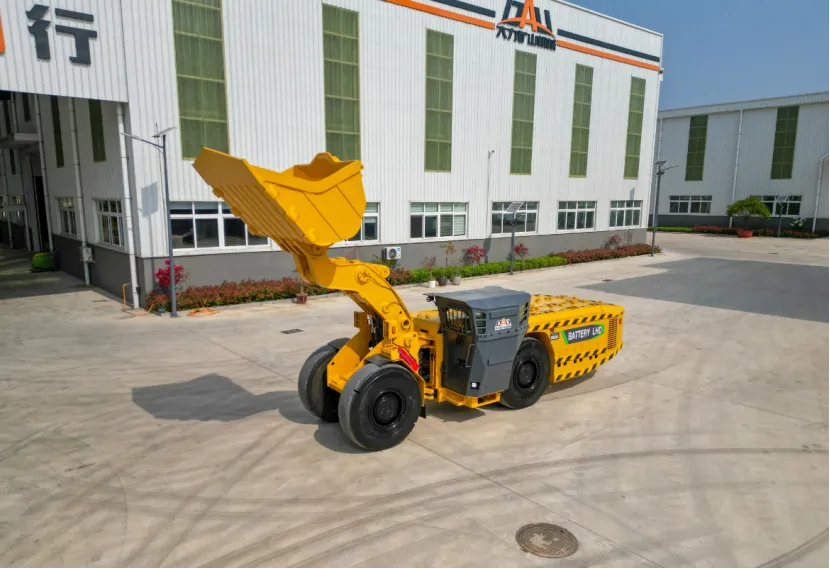
DALI WJ-3EB uses a LiFePO4 battery electric LHD system with 282 kWh battery capacity. It also uses liquid-cooled cells and an integrated thermal management system, which helps the battery work in underground conditions.
Electric LHD charging time was another key point. The machine supports 0 to 90% charging in about 1 hour, making it a fast charging electric LHD suitable for shift changes, service breaks, or planned charging windows. A long underground loader charging delay can stop a good production plan very quickly. Nobody likes watching a machine sit when the muck pile is ready.
What Operational Benefits Did the Mine Expect?
The mine expected cleaner air first, but other benefits also mattered. A quieter, cooler, exhaust-free loader can change the feel of a working area. Operators notice that. Maintenance teams notice it too.
Energy Use and Operator Comfort Became Part of the Decision
DALI WJ-3EB is a 100% exhaust-free loader for underground application. That helped the mine target cleaner working faces and better electric LHD operator comfort. Less diesel smell, less heat from the engine, and fewer exhaust-related complaints all count in real shifts.
The machine also has energy regeneration. An energy regeneration electric LHD can recover part of the energy during braking or downhill movement, which helps reduce energy waste and extend driving range in suitable routes. On grade, that can be useful. It is not magic, but underground work is full of small gains that add up.
Why Did the Mine Choose DALI WJ-3EB?
The final choice came down to fit. The mine needed a battery electric scooptram with enough loading capacity, fast charging, exhaust-free operation, and a supplier that knew underground equipment. This is where DALI became a serious option.
DALI Matched Product and Project Needs
DALI was established in 1998 in Yantai, China. The company works in the design, development, production, installation, training, spare parts supply, and sales of underground mine equipment and ore processing equipment. Its product range covers LHD, underground mining truck, mine locomotive, mobile rock splitter, scaler, and other underground vehicles.
For B2B buyers, that background matters. DALI states that its machines serve more than 900 mines and that it has built more than 500 mine processing plants. As an electric LHD manufacturer, DALI brings more than one machine to the table. It brings project experience, service support, and equipment knowledge for underground mines moving toward diesel-free mining equipment.
How Should Buyers Check a Battery Electric LHD?
Before choosing an underground electric loader, you should check drift size, bucket capacity, tramming capacity, route grade, battery capacity, charging time, ambient temperature, ventilation pressure, service access, and spare parts supply.
The Right Choice Starts With the Mine
The best electric scooptram is not always the largest one. It is the one that fits your production rhythm. DALI WJ-3EB gives a strong example for mines that need a 7 ton electric LHD, a 3m3 electric LHD, a 282 kWh battery system, about 1 hour fast charging, and 100% exhaust-free operation.
For an electric LHD supplier, the real value is helping the mine reduce diesel fumes while keeping loading work steady. That is the point of the switch.
FAQ
Q1: How Does a Battery Electric LHD Reduce Diesel Fumes Underground?
A: A battery electric LHD does not use a diesel engine during operation, so it removes diesel exhaust from the loading area. This helps reduce diesel fumes underground mining and lowers exposure to harmful gases.
Q2: Is an Electric LHD for Underground Mining Suitable for Production Loading?
A: Yes. An electric LHD for underground mining can support production loading when bucket capacity, tramming capacity, battery capacity, and charging time match the mine’s work cycle.
Q3: Why Is Electric LHD Charging Time Important?
A: Electric LHD charging time affects shift planning and equipment availability. Shorter charging helps mines arrange power recovery during shift changes, service breaks, or lower-production periods.
Q4: What Makes DALI WJ-3EB Useful for Diesel-Free Mining Equipment Projects?
A: DALI WJ-3EB is a 100% exhaust-free loader with 7000 kg tramming capacity, 3.0 m³ standard bucket, 282 kWh LiFePO4 battery, fast charging, and energy regeneration.
Q5: What Should Buyers Check Before Replacing Diesel LHD Equipment?
A: Buyers should check loading capacity, drift size, ventilation limits, battery capacity, charging plan, operating temperature, spare parts supply, service support, and operator training.
About Us
Qixia Dali Mining Machinery Co., Ltd was established in 1998, located in Yantai City.
The company is mainly engaged in the design, development, production, installation and training of underground mine equipment and ore processing equipment, spare parts supply and sales.
More
Contact Us
- Xinbang Rd, Private Economy Park, Qixia, Shandong Province, China
- +86 173 5350 8179
- ytdali@ytdali.com
 +86 13553073459
+86 13553073459
+86 13553073459


