Underground Mining SAHR Brakes: Safety Trend or Industry Standard?
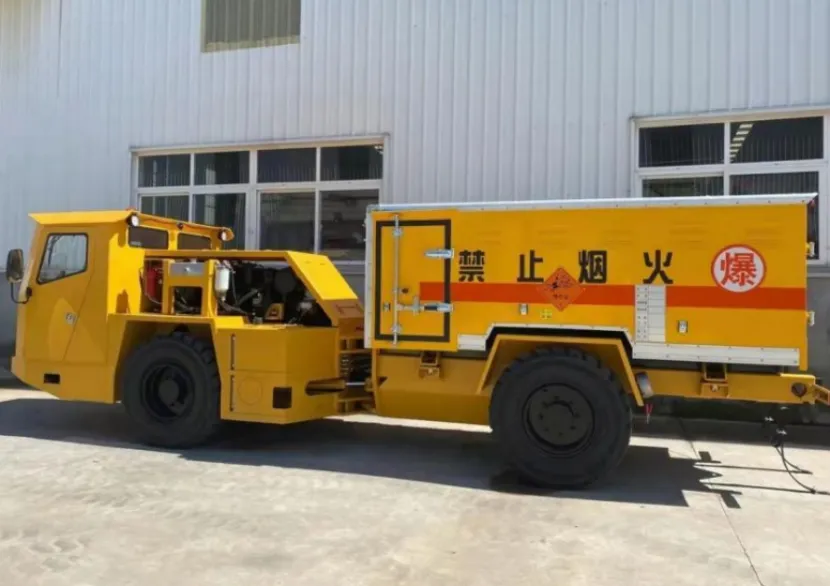
In underground mining vehicles, the brake is not just a part that slows a machine down. It is one of the last safety barriers between normal operation and a serious tunnel accident.
Dust, mud, water, heat, steep ramps, and heavy loads all place pressure on the mining equipment brake system. This is why the SAHR brake system has moved from being a safety upgrade to something many buyers now treat as a basic requirement.
What Is a SAHR Brake System?
A SAHR brake system is widely used in heavy-duty mining vehicles because it gives the machine a safer default state. In simple words, it is designed to stop the vehicle when hydraulic pressure is lost, not let it roll freely.
Basic Meaning of Spring Applied Hydraulic Release Brake
SAHR means spring applied hydraulic release brake. The spring applies the brake. Hydraulic pressure releases it. This design sounds simple, but it matters a lot underground. If a hose leaks, pressure drops, or a hydraulic fault appears, the brake can apply by spring force.
That is why a spring applied hydraulic release brake is often called a fail-safe braking system. The machine does not depend only on active hydraulic pressure to stay controlled. For underground explosive transport, that small detail is a big deal.
Why Does Brake System Selection Matter in Underground Mining?
Brake choice is critical because underground mine roads are rarely friendly to equipment. A vehicle may run slowly, but it may also carry heavy material, stop often, and travel on grades where a small delay in braking feels uncomfortable fast.
Harsh Conditions Change Brake Performance
Mining brakes face dust, water, shock loads, heat, and heavy use. Industry guidance on brake selection also notes that wet, dirty, abrasive conditions can shorten brake life and raise safety risk if the wrong brake type is selected. Wet disc brakes are valued because they are sealed, run in oil, and can resist dirt and moisture better than exposed systems.
For your fleet, this means underground mining vehicle brakes should not be chosen by price alone. A cheaper brake that wears quickly can create more downtime, more inspections, and more safety concern.
How Do Parking Brake, Working Brake, and Emergency Brake Work Together?
A safe vehicle needs more than one braking function. The brake system should support normal driving, safe parking, and emergency response. These functions often overlap, but each one has its own job.
Three Braking Roles in One Safety Chain
The parking brake keeps the vehicle still when it stops on a ramp, at a loading point, or near a maintenance area. The working brake controls daily movement, turning, and low-speed stopping. The emergency brake acts when something goes wrong.
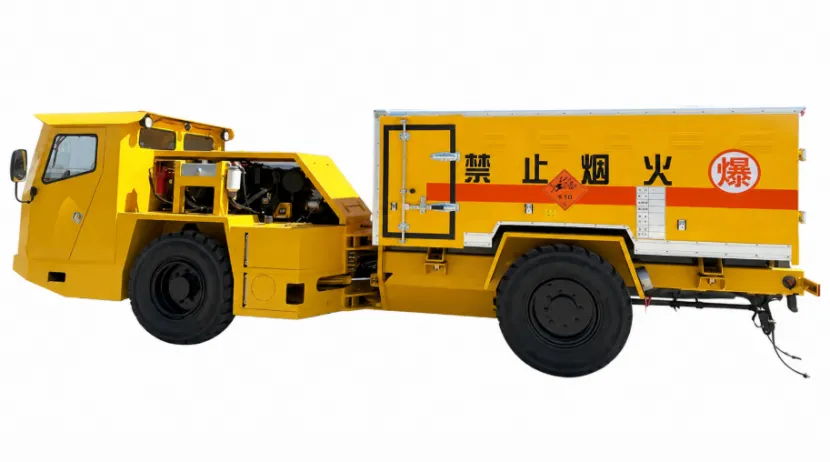
DALI’s underground explosive transport vehicle specification states that its braking system uses a combination design of parking brake, working brake, and emergency brake. The same document also lists the brake design as multi-disc brake, spring applied, hydraulic release, with 14MPa braking pressure.
Why Does a Wet Multi-Disc Brake Matter?
A wet multi-disc brake fits the real working conditions of underground mining vehicles. It is not flashy. It just does the job in a cleaner, more protected way.
Sealed Braking for Dust, Heat, and Heavy Loads
A wet multi-disc brake works inside an oil-filled system. This helps control heat and reduces direct exposure to dust and moisture. For heavy-duty mining vehicles, the multi-disc brake structure also gives more friction area in a compact space.
This matters on steep mine ramps. A vehicle may move at only 6 or 13 km/h, but load, slope, and tunnel limits can make braking demand very high. DALI’s UK-6ET specification lists a climbing ability of 25%, a 5000kg explosive tank capacity, and a compact body width of 1850mm. These figures show why braking control must match the machine’s duty cycle, not just its travel speed.
Why Is Door-Open Brake Lock Important?
Small safety details often prevent the worst mistakes. A door-open brake lock is one of those details. It may not sound as impressive as engine power or payload, but operators notice it during daily work.
Braking Lock Once the Door Is Open
The phrase braking lock once the door is open means the machine can lock braking when the operator door opens. In a tunnel, this helps reduce the chance of unexpected movement while the operator gets in or out.
For an underground explosive transport vehicle, that point is even more sensitive. Loading explosive materials, stopping at a transfer point, or waiting in a narrow roadway all require calm, stable vehicle behavior. No one wants a machine creeping forward by accident. Simple as that.
What Safety Systems Should Work with SAHR Brakes?
A SAHR brake system is stronger when it works with other safety devices. Braking handles vehicle control, while visibility, warning, and alarm systems help prevent the event that causes sudden braking in the first place.
Rear Camera, Alarms, and Fire Protection
A rear camera system helps the operator check blind spots in narrow tunnels. A reverse alarm and flash beacon warn nearby workers. An automatic alarm system can alert the operator to oil temperature, oil pressure, and electrical system problems before they become bigger faults.
The DALI specification also lists an optional engine fire suppression system. For underground explosive transport, fire protection is not a decorative option. It is part of risk control.
DALI has worked in underground mining equipment since 1998 and focuses on vehicles, mine equipment, processing equipment, spare parts, installation, and training. Its factory covers 130,000 square meters, with more than 200 employees and a technical team that supports equipment development and service.
The company’s product range includes underground vehicles such as scooptram, mining truck, underground utility vehicle, scaler, mobile rock splitter, and mine locomotive. For buyers comparing equipment, DALI is relevant because its vehicles combine practical tunnel dimensions, safety systems, maintenance support, and field-oriented engineering rather than only catalog numbers.
Is SAHR Braking a Safety Trend or Industry Standard?
For light-duty or surface-only equipment, SAHR may still be treated as an upgrade. For underground mining vehicles that carry people, heavy loads, or explosives, the answer is different.
A Standard Feature for High-Risk Underground Vehicles
A SAHR brake system for underground mining vehicles should be seen as a core safety feature. The same applies to the spring applied hydraulic release brake in mining equipment, especially where hydraulic pressure loss, steep ramps, and confined tunnel movement are real concerns.
When you compare an underground explosive transport vehicle brake system, check the complete package: SAHR brake system, wet multi-disc brake, door-open brake lock, rear camera system, automatic alarm system, emergency brake system, and brake system maintenance access.
A safe machine is rarely built from one feature. It is built from many small, reliable choices that work together.
FAQ
Q1: What Does SAHR Mean in a Mining Brake System?
A: SAHR means spring applied hydraulic release brake. The spring applies braking force, while hydraulic pressure releases the brake during normal operation.
Q2: Why Are SAHR Brakes Used in Underground Mining Vehicles?
A: SAHR brakes are used because they create a fail-safe braking system. If hydraulic pressure drops, the brake can apply automatically.
Q3: Are Wet Multi-Disc Brakes Better for Underground Mining?
A: Wet multi-disc brakes are often better for dusty, wet, and heavy-load tunnel work because they are sealed and cooled by oil.
Q4: What Is the Difference Between Parking Brake and Emergency Brake?
A: A parking brake holds the stopped vehicle in place. An emergency brake helps stop or control the vehicle during a sudden risk.
Q5: What Should Buyers Check Before Choosing an Underground Explosive Transport Vehicle?
A: Buyers should check the SAHR brake system, wet multi-disc brake, door-open brake lock, rear camera system, automatic alarm system, engine fire suppression system, payload, ramp ability, and maintenance support.
About Us
Qixia Dali Mining Machinery Co., Ltd was established in 1998, located in Yantai City.
The company is mainly engaged in the design, development, production, installation and training of underground mine equipment and ore processing equipment, spare parts supply and sales.
More
Contact Us
- Xinbang Rd, Private Economy Park, Qixia, Shandong Province, China
- +86 173 5350 8179
- ytdali@ytdali.com
 +86 13553073459
+86 13553073459
+86 13553073459


