Maintaining Electric LHDs: Best Practices and Tips
An electric LHD works very hard all day. It moves broken rocks. It drives up steep hills. It also pushes through thick dirt and dust. After a good wash, the machine might look very clean. But a loose battery plug can stop your work.
A blocked cooler can do the exact same thing. Good electric LHD maintenance keeps your loader ready to go. It keeps your workers safe. It also helps you skip huge repair bills when times are tough.
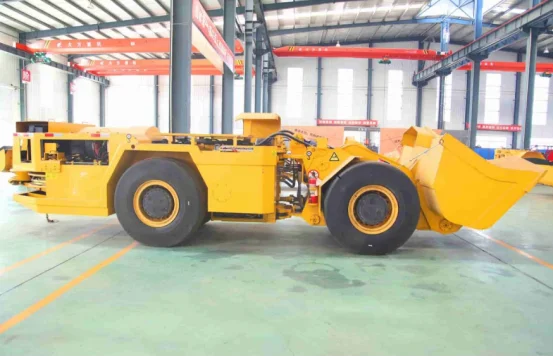
Why Does Electric LHD Maintenance Matter?
Battery-powered loaders take bad smoke out of the tunnels. But they still face heavy loads and rough dirt. They also deal with deep water and sharp dust. They run for many hours at a time.
You must check their battery packs and drive motors. Their hydraulic circuits, brakes, tires, and control systems need care too. A smart plan mixes daily checks with planned service. It also needs driver notes and clear written records.
What Should You Check Before Every Shift?
Walk around the machine before you turn the power on. Look for spilled hydraulic oil on the ground. Check for broken hoses and loose covers. Look at the tires for cracks. Check the bucket teeth to see if they are bent. Test the warning lights and the steering. Make sure the service brakes and parking brake work right. Try the horn and the emergency stop button.
Next, look at the battery box and charging plug. Check for mud, water, or heat burns. Look for torn wires. The plug must lock tight. Never charge a pack that smells like smoke. Do not charge it if it looks puffed up. If the cord is bad, put a tag on it. Let a trained mechanic look at it.
Which Daily Tasks Protect the Main Systems?
Short checks stop small problems from ruining a whole work day. Keep an easy electric LHD inspection checklist in the cab. Drivers can just write down what they spot. They do not have to guess or remember it later.
How Should You Care for the Battery and Electrical Parts?
Charge the battery in the right spot. Use the right charger. Make sure the air flows well. Keep the metal points dry and clean. Do not drag the charging plug through wet mud. Do not pull it by the cord. The battery management system might show weird heat or low power. If it stops charging, pause your work. Write down the error code.
Dust builds up inside power boxes and cooling tubes. Clean them exactly how your manual says. Do not blast high-pressure water at plugs or sensors. Doing that causes bad computer bugs hours later.
How Often Should You Lubricate Moving Parts?
Grease the main pins, bending joints, and bucket parts. Follow the times in your service manual. Mine dust mixes with old grease. This makes a gritty paste that ruins metal fast. Wipe the fitting first. Add the right grease. Then wipe away the extra mess.
Check axle and gearbox oil on flat ground. Use the exact oil they tell you to use. Low oil, cloudy fluid, or metal bits on the drain plug are bad signs. Fix these before the next shift starts.
What Hydraulic Checks Reduce Downtime?
Look at the push cylinders, bent hoses, and big valves. Watch for wet patches or rubbed spots. A tiny pinhole leak can shoot fluid right through your skin. So, never use your bare hands to find leaks. Use a piece of cardboard instead.
Watch out for slow lifting or a drifting bucket. Feel for bumpy steering or weird pump sounds. These clues mean low fluid or trapped air. It might be a dirty filter or worn parts. Swap out busted hoses and seals right away. Clean oil and capped new parts keep the system safe while you work.
How Can You Build a Preventive Maintenance Schedule?
Service times must match your running hours and mine conditions. A loader in wet, gritty spots needs help faster than one in a dry mine. Many plans use 250 to 500 operating hours as a basic target. You can change this target after you check the real wear and tear.
What Belongs in a Weekly and Monthly Review?
Once a week, check the tire air pressure and the treads. Look at the side walls, wheel nuts, and metal frame joints. Check the brake lines and suspension points. Wash the radiator or cooler so dirt does not block the fresh air.
Every month, look at your battery health trends. Check for charger errors and dirty hydraulic filters. Test the brakes and wire safety marks. Compare heat numbers and charge times with old notes. A slow change often means more than one crazy number.
Should You Use Telematics or Digital Records?
A simple paper sheet works fine for a few machines. Bigger mines need smart tools. Telematics track operating hours, battery heat, and power drain. They log fault codes and wait times. Write down the problem, the clock hours, the fix, and the parts used. This track record helps you catch the same breaks again.
How Do Operators Extend Electric LHD Life?
Driver habits change your repair costs. Teach drivers to enter the rock pile straight. Tell them to skip hard crashing moves. Keep the bucket load inside the rated capacity limit. Spinning the big tires into the dirt wastes battery energy. It also makes the drive parts way too hot. Driving super fast up hills ruins the brakes and tires fast.
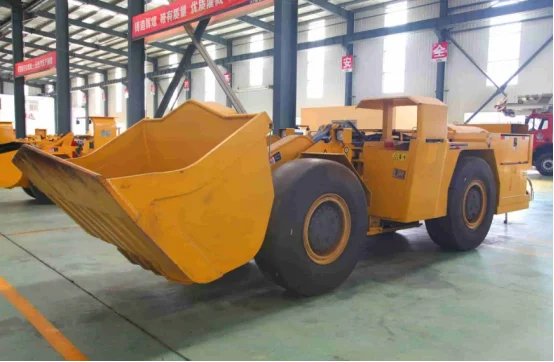
What Habits Prevent Premature Wear?
Use smooth turns and steady speed-ups. Do not jerk the wheel when the bucket is totally full. Keep the heavy bucket low while moving. Follow the site speed limits. Stop driving if the steering, brakes, or sight lines feel wrong.
Drivers must report new noises, heat, or shaking right away. A five-minute chat can save a broken motor. It stops an axle from turning into a big multi-day fix.
When Should You Consider Upgrades or a Replacement?
Fixing old machines makes sense if the heavy frame stays strong. You could add a newer battery pack or better charging gear. You can put in updated controls or better cooling. Compare the retrofit cost against lost work time and parts limits.
Can Remote Control Improve Maintenance Results?
Remote driving keeps workers safe from shaky rock roofs. DALI offers battery electric LHDs and remote-control parts for their gear. This smart control system still needs clean sensors and safe wires. You also need software checks and trained drivers to make it work right.
How Can DALI Support Long-Term Electric LHD Care?
A good partner brings fast parts, good training, and smart tips. DALI has built underground mining equipment since 1998. They do their own drawing, building, setup, and teaching. Their catalog shows battery electric and electric LHD choices for mine work.
The company also gives out spare parts. They back big mine plans through EPCM services. Over 900 mines use their heavy machines today. Their smart builders work on trucks and rock plants. This deep knowledge helps connect LHD maintenance with mine air, hauling routes, and charging spots.
FAQ
Q1: How often should an electric LHD be serviced?
Follow the service manual and operating-hour clock. A 250 to 500 operating hours plan is common. But dusty, wet, or heavy jobs need quicker checks.
Q2: What is the most common cause of electric LHD downtime?
Skipped checks and torn hydraulic hoses cause lots of trouble. Poor battery charging practice, clogged vents, tire damage, and overloaded work are big reasons too.
Q3: How can you extend electric LHD battery life?
Use the approved charger. Keep connectors clean and dry. Avoid huge heat or bad abuse. Check into weird charging faults early.
Q4: Is remote control useful for an underground LHD?
Yes, it makes tight or scary rock areas safer. Good running still needs clean sensors, protected wiring, software checks, and trained operators.
Q5: When is retrofitting better than buying a new LHD?
Retrofit when the heavy frame, axles, hydraulics, and brakes have good life left. Buy new when big wear and endless breaks cost too much money.
About Us
Qixia Dali Mining Machinery Co., Ltd was established in 1998, located in Yantai City.
The company is mainly engaged in the design, development, production, installation and training of underground mine equipment and ore processing equipment, spare parts supply and sales.
More


Contact Us
- Xinbang Rd, Private Economy Park, Qixia, Shandong Province, China
- +86 173 5350 8179
- ytdali@ytdali.com
 +86 13553073459
+86 13553073459
+86 13553073459


